The first family trip with an aging parent changes the rhythm of the whole journey. The hikes get shorter, and the mornings start slower. The packing list grows a few quiet additions that nobody talked about a decade ago. None of that has to dim the adventure. It just asks for a little more planning up front, the same practical mindset behind smart travel tips.
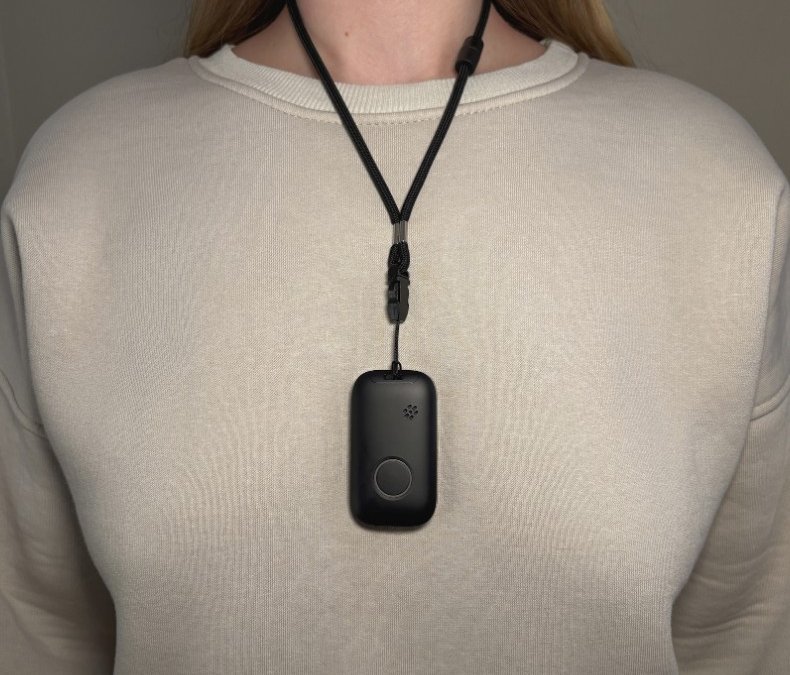
Most of that planning is simple. A steady pace, a sensible route, and a few small tools turn a stressful trip into a relaxed one. Many families add a connected safety device to the kit, and modern protective medical bracelets sending medical alert is one example designed to keep a senior reachable on the road. This guide walks through what actually helps before, during, and after the trip.
Why a Little Extra Planning Pays Off
A fall is an unplanned drop to the ground, and it is the part most families underestimate. The numbers explain why a slower pace is smart, not overcautious.
The older adult falls data tells the story plainly. Over 14 million adults aged 65 and older, or about 1 in 4, report falling every year. About 37 percent of those who fall report an injury that needs medical care or limits activity for at least a day. That works out to roughly 9 million fall injuries a year.
New ground raises the stakes a little. Unfamiliar stairs, dim hallways, and loose rugs in a rental are exactly the hazards a parent never trips over at home. A short scan of any new space on arrival catches most of them. Travel is supposed to be fun, and a calm plan keeps it that way.
Build a Route That Matches Their Pace
Ambitious itineraries are the usual culprit behind a rough trip. Three relaxed stops almost always beat seven rushed ones. Build the day around one main activity, then leave the rest open.
Use these anchors when you plan a senior-friendly route:
- Pick flat, paved options first, then add gentle terrain as confidence grows.
- Schedule rest stops every hour or two, with a bench or cafe in sight.
- Cluster activities so the day involves less back-and-forth driving.
A short, scenic outing often delivers more joy than a marathon day. Many of the best day trips work beautifully at a gentle pace, with plenty of places to stop, sit, and take it all in. Let the parent set the tempo, and the whole group tends to relax into it.
Scan Every New Space for Trip Hazards
A two-minute hazard check on arrival prevents most stumbles. The same room-by-room fall prevention checks that work at home work in any hotel or rental too.
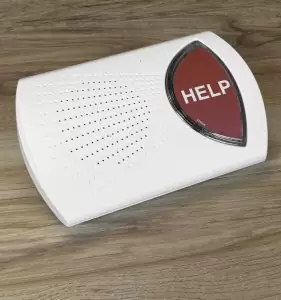
Image courtesy of Life Assure
Walk through the rental and look for these five things:
- Loose rugs that slide on hard floors, which you can roll up and set aside.
- Poor lighting in halls and stairwells, fixed with a packed night light or two.
- Missing grab bars near the tub, where a portable suction handle helps.
- Clutter on stairs or walkways, cleared into a corner on day one.
- Slippery paths outside, noted so the parent can take the smoother route.
These checks take a few minutes and cost nothing. They also let an older traveller relax, because the space already feels familiar and safe by the first evening.
Pack the Right Safety Kit
A senior travel kit is a small bag of backups that handles the predictable problems before they happen. The aim is simple, so a minor hiccup never derails the day.
A solid kit usually includes:
- A full list of medications, doses, and the prescribing doctor’s contact details.
- A week’s buffer of any daily prescription, kept in a carry-on, not checked luggage.
- A compact first-aid pouch with blister care, pain relief, and any personal items.
- Copies of insurance cards and one emergency contact written on paper.
- A charged phone, a charger, and a battery pack for long travel days.
Many families also pack a medical alert device so a parent can call for help even when separated from the group. A modern unit adds GPS location and two-way audio, which matters on a busy trail or in a large airport. Test any device at home first so the buttons and charging routine feel routine before departure.
Keep Energy and Hydration Steady
Travel days are long, and fatigue is its own risk factor. A tired traveller is a less steady one. The fix is simple and a little boring, which is usually the sign of good advice.
Build these habits into every travel day:
- Drink water before anyone feels thirsty, especially on flights and at altitude.
- Eat a light meal 2 to 3 hours before a long walk or drive.
- Protect 7 to 8 hours of sleep, even when the itinerary tempts you to cut it.
These small routines decide how the last hour of the day feels. A parent who is fed, hydrated, and rested moves with more confidence, and the whole group enjoys the trip more.
Frequently Asked Questions
How Do I Talk to a Parent About Travel Safety Without Sounding Preachy?
Frame the conversation as your peace of mind – you’re not trying to limit them. Simply sharing that you’re keeping them safe with a backup plan shows that you care. It’s not directly saying they’re incompetent and need help. Involve them in the choices, from the route to the kit, so the trip stays a shared adventure. Most parents welcome the planning once it feels like teamwork rather than a verdict on their independence.
Are Older Travellers Really at Higher Risk On a Trip?
New environments add hazards a parent never meets at home, like unfamiliar stairs and loose rugs. CDC data shows about 1 in 4 adults over 65 fall each year, and travel only multiplies the unfamiliar terrain. The good news is that a short hazard scan and a steady pace handle most of the added risk. Planning lowers the odds without taking the joy out of the journey.
Should We Pack a Medical Alert Device for a Trip?
It depends on the parent’s health and how often the group splits up. A device with GPS and two-way audio can keep a senior reachable on a trail, in a terminal, or back at the rental. Test it at home first so the routine feels natural. Confirm coverage for the destination, since not every device roams the same way across regions.
What Is the Single Most Useful Travel Habit for Seniors?
Slow down and build in rest. A relaxed pace with hourly breaks prevents the fatigue that leads to most travel stumbles. Pair that with steady hydration and a light meal before activity, and the day holds together. Three calm stops nearly always beat seven rushed ones, for the parent and for everyone travelling with them.