Planning a remote trek often looks straightforward at first. Choose a route, book your flights, and start walking; isn’t it that simple? In reality, getting to the trailhead can take just as long as the trek itself. Multiple flights, long transfers, and weather delays can quickly take over the itinerary. In some cases, the journey becomes more complicated than the trek. This is where private flights come into the picture. Not as a luxury add-on, but as a practical way to make remote trips more manageable within a limited schedule.
Why Remote Treks Are So Difficult To Reach
Most remote trekking regions sit far from major transport hubs. Reaching them usually involves combining several types of travel.
A typical route might include a long-haul flight from Canada, a domestic connection, and then a road transfer that can take several hours. Smaller aircraft are also more affected by weather, which can delay schedules without much notice.
In places like Nepal, even short internal flights are not always reliable. In Patagonia, travelers often arrive in the region and still face half a day of overland travel before reaching the trailhead.
As a result, many itineraries include buffer days. These are not there to improve the experience, but to deal with delays.
How Private Flights Reduce Travel Time
Private flights change the structure of the journey rather than simply speeding it up.
Direct Access to Remote Areas
One of the main advantages is access. Private aircraft can use smaller airstrips that commercial airlines cannot, allowing travelers to get closer to their starting point without switching between multiple forms of transport.
Instead of stopping and waiting at different stages, the journey becomes more direct and easier to manage.
Flexible Scheduling
Commercial flights run on fixed schedules, so a delay in one segment can affect the rest of the trip. Private transfers offer more flexibility to adjust timing based on conditions. In mountain regions, where weather windows matter, this can make a noticeable difference.
Fewer Connections To Manage
Each additional transfer introduces another point at which delays can occur. Missed connections are common when routes are complex. Reducing the number of steps makes the journey more predictable, which is often just as valuable as saving time.
Real Examples From Popular Trekking Regions
Nepal and Lukla access
Flights to Lukla are known for delays and cancelations, which is why many trekkers build in extra time.
A standard route can take one to two days, depending on conditions. A helicopter transfer from Kathmandu can reduce that to under an hour, significantly changing how the itinerary fits together.
This is why helicopters are often used when flights are grounded or when travelers want to avoid waiting for a weather window.
Patagonia and Torres del Paine
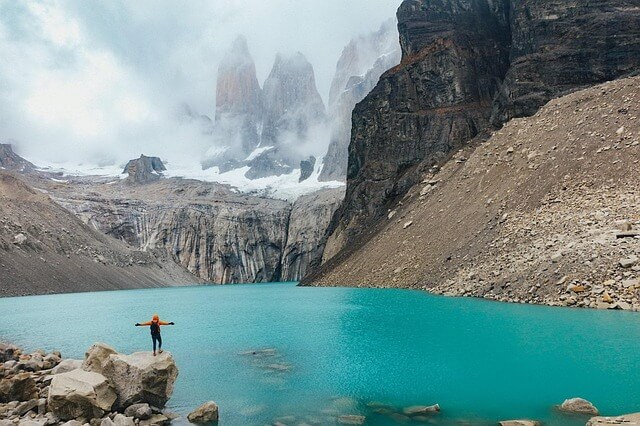
In Patagonia, distances are often the main challenge. Travelers can arrive in the region and still face a five to six-hour drive to reach the park. In some cases, that full day of travel can be replaced by a short flight using a small charter plane. This does not just save time; it makes the start of the trip feel less rushed.
Types of Private Flights for Trekking Access
Helicopters
Helicopters are typically used for shorter distances and more difficult terrain. They can land closer to trekking routes and do not require a runway. This makes them particularly useful in mountainous regions.
Small Planes
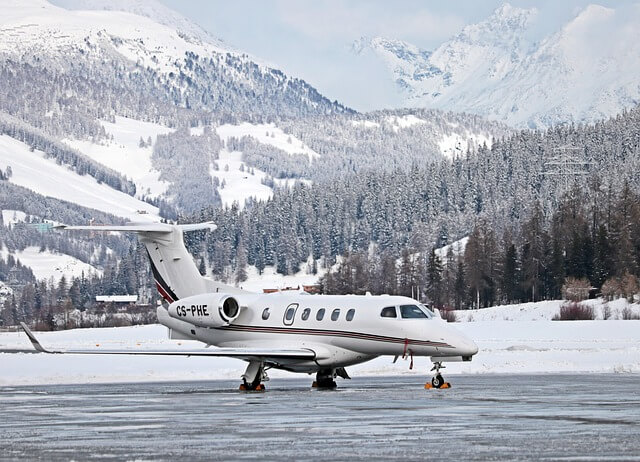
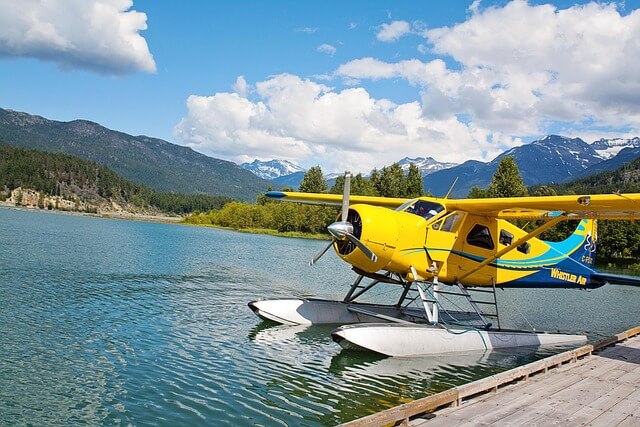
Light aircraft and turboprops are better suited for longer regional distances. While they still require a runway, they can reach smaller airports that commercial flights do not serve.
Hybrid Travel Options
Many travelers combine both approaches. A common setup involves flying commercially to a regional city, then taking a helicopter or small plane for the final leg. This tends to offer the best balance between cost and time saved.
What Does It Cost in Practice
Private flights are not cheap, and the cost depends heavily on how they are used.
A full private charter can be expensive, but there are ways to reduce the cost. Sharing a helicopter or booking a seat on an existing charter can make it more accessible.
For travelers based in Canada, options like private jet charter in Canada are often used for longer domestic segments or to reach remote departure points more efficiently before continuing to international trekking regions. This can simplify the overall journey before the trek even begins.
For many travelers, the decision comes down to time. If a private transfer saves two days of travel, that can mean fewer hotel nights and more time on the trail. Using private transport for just one leg of the journey is often a practical middle ground.
Safety and Reliability Considerations
Experienced local companies usually operate private flights in trekking regions. Pilots are familiar with the terrain and typical weather patterns. Flights remain weather-dependent, especially in mountainous areas. Delays can still happen, but there is often more flexibility to adjust plans. Choosing a reputable operator is an important part of the process.
When a Private Flight Makes Sense
Private flights are not necessary for every trek. In many cases, standard transport options are enough. They tend to make the most sense when time is limited, when routes involve unreliable connections, or when overland travel takes a full day or more. If an itinerary already feels tight before booking, this is usually where private flights become worth considering.
Is a Private Flight Worth It for Remote Treks?
Private flights are often seen as a luxury, but in the context of remote treks, they can serve a practical purpose. They reduce travel time, simplify logistics, and make it easier to focus on the experience itself rather than the journey to get there. Used selectively, they are less about comfort and more about making certain trips possible within a limited schedule.