Summer this year is set to be a busy season, with Europe showing up as one of the most popular options for Canadian travellers. Flights to Madrid, Barcelona, Rome, and Amsterdam fill up fast, and because there’s so much history and beautiful scenery to enjoy, along with some world-class food, the appeal is fairly obvious.
As always, it’s best to be prepared before you board a flight anywhere. And because the EU has introduced some big changes to how non-European visitors enter and cross the borders, it’s best to know what to expect ahead of time.
1. New Biometric Checks Are Now in Place at European Borders
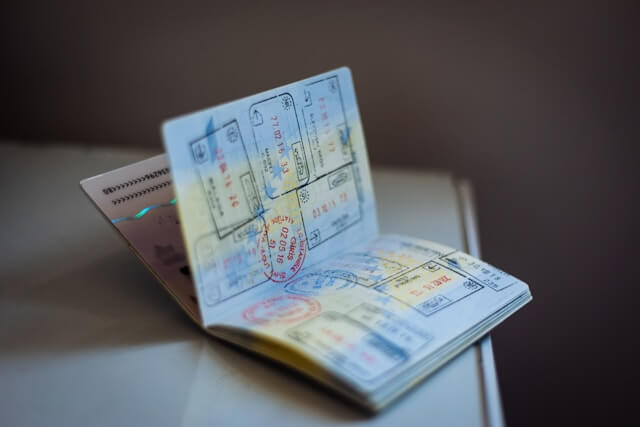
One of the biggest changes seen is the Entry/Exit System, or EES, which became fully operational on April 10, 2026. You can’t simply enter with a quick passport stamp anymore. The EES is a digital border management system that records the entry and exit of all non-EU nationals visiting the Schengen Area for short stays, and that includes Canadian passport holders.
The system can be found at airports, seaports, and land crossings where a person can use their fingerprint, facial scan, and passport details to gain entry/exit.
According to the European Council, the EES covers all 29 Schengen countries, which is essentially the bulk of continental Europe, though Cyprus and Ireland are not included. It’s practical to budget extra time at the border when you cross for the first time because first-time registration can take a little longer while your biometric data is collected and stored. Subsequent crossings should go more smoothly once you’re in the system.
2. ETIAS Is on the Way, So Watch the Launch Date
Alongside the EES, the EU is also preparing to launch ETIAS (the European Travel Information and Authorization System), which is expected to go live in the final quarter of 2026. ETIAS functions similarly to the US ESTA system: it’s a pre-travel authorization that visa-exempt travellers, including Canadians, will need to obtain before arriving in the Schengen Area.
The application is done entirely online and costs €7 for most adults (travellers under 18 and over 70 are exempt from the fee, though they still need to apply). ETIAS requirements for Canadian citizens include a biometric passport valid for at least three months beyond your planned departure from Europe, plus standard personal details, travel intentions, and background security questions.
3. Your Passport Needs to Be in Good Shape
Both the EES and ETIAS are built around biometric passports, which are the ones with a small electronic chip embedded in the cover (look for the little gold chip symbol on the front). Canadian passports have included this chip as standard since 2013, so most travellers will already have what they need.
However, it’s important to check the validity rules. Your passport needs to be valid for at least three months after your planned departure from the Schengen Area, and it can’t be older than ten years when you enter, even though it hasn’t expired.
A lot of people find out about these rules at the airport, which is the worst possible place to find out about anything. If your passport is getting close to expiry or looks like it might be really close to the ten-year limit, sort out a renewal well before your departure date. Airlines will turn you away at check-in if the dates don’t hold up, and no travel insurance policy in the world will cover that.
4. Book Attractions in Advance and Stay Alert on the Ground
If you’re aiming to see all the popular museums, attractions and well-reviewed restaurants in world renowned cities like Paris, Rome, and Barcelona, you’ll need to book in advance. As always, the sooner you buy flights, the better.
While travelling, you should think about how you’ll stay connected. Checking availability, making bookings (and cancellations), and buying entry tickets online will require reliable internet. If your Canadian carrier’s roaming rates seem steep, picking up the best eSIM for Europe for your budget before you leave gives you a cost-effective way to stay connected throughout the trip without hunting down a local SIM shop on arrival.
Also, be aware of petty theft, especially in the busy tourist spots. Pickpocketing is common in crowded areas like the metro stations, markets, or famous landmarks, so it’s a good idea to keep your phone and wallet in a zipped, closed bag that’s in front of you. Reading up on common scams in whichever city you’re visiting (the clipboard trick in Paris is a classic) takes about five minutes and can save a real headache.
5. The Dining Experience Works Differently Than You Might Expect
The first time many North Americans eat out in Europe, they end up wondering where their server disappeared to.
The answer is usually nowhere. They’re usually just doing their job.

In much of Europe, restaurant staff are not hovering around the table every few minutes asking how everything tastes or whether you’d like another refill. Once your food arrives, you are generally left to enjoy it. Some visitors love this. Others spend twenty minutes wondering how on earth they are supposed to get the bill. A small heads-up can save some confusion.
Tap water is usually safe to drink, but it often will not appear automatically and you may need to ask for it. Free refills are uncommon, tipping expectations vary depending on the country, and when you’re ready to leave, it is perfectly normal to catch a server’s eye and ask for the cheque.
The pace can take a little adjustment if you’re used to restaurants turning tables quickly. In places such as France, Spain, and Italy, meals are often treated as part of the evening rather than something to rush through before the next activity.
Avoid always opting for the first restaurant you see near the attractions you’re visiting. The cafés directly overlooking famous squares, monuments, and landmarks are often charging for the view as much as the food. If you wander a couple of streets away and see more locals than tourists, your chances of finding a better meal usually improve dramatically. You will often pay less, eat better, and end up with a much more memorable experience.
A Little Preparation Goes a Long Way
Nobody books a trip to Europe because they are excited about passport validity rules or biometric entry systems.
You are going for the food, the history, the landscapes, the museums, the late-night conversations in tiny bars, and all the unexpected moments that end up becoming your favourite memories.
That is exactly why it pays to spend a little time getting the practical stuff sorted before you leave. Check whether your passport meets the requirements, keep an eye on the ETIAS rollout, familiarize yourself with the new EES process, and book any attractions that are likely to sell out.
A few minutes spent dealing with logistics at home can save you hours of stress when you arrive. Instead of standing in a queue wondering whether you’ve missed an important requirement, you can focus on finding the best croissant in Paris, getting lost in a Roman side street, or watching the sunset from a Greek harbour.
It’s not the paperwork but the trip that’s memorable. A little preparation simply makes it easier to enjoy every minute of it.