A night in the woods creates a mix of peace, quiet, and raw nature. Many travelers search for this escape to clear their minds. The forest gives space to think and breathe without pressure. Still, a calm night requires the right skills. Safety comes from small habits that guide your movement through the dark. A prepared traveler enjoys the surroundings with confidence. A clear plan supports a smooth outdoor experience.
Many hikers and campers in Mexico bring steady tools to reduce stress, including an eSIM for Mexico when exploring deep natural areas. This type of tool helps them check maps, reach contacts, and handle quick updates. A calm mind forms when you know support stands close. A stable signal prevents confusion after sunset. It also helps you track weather changes that shape your night. Smart tools increase safety in places without clear paths. This balance shapes the comfort of your outdoor stay.
1. Navigation Skills to Keep You on the Right Path
A forest becomes confusing at night without clear direction. You must learn how to read a map and follow simple trail markers. This knowledge keeps you from wandering into unsafe terrain. A traveler who understands basic landmarks moves with more clarity. Your pace stays steady when you know the next turn. A small mistake turns big when darkness hides the path. Good navigation protects your time and safety.
2. Fire Control Skills for Warmth and Comfort
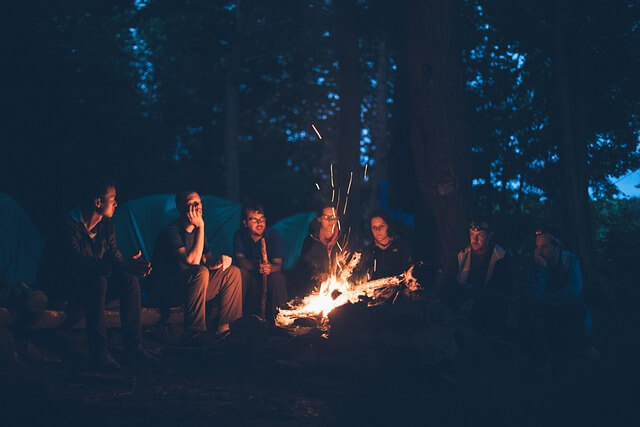
A controlled fire gives warmth, light, and a sense of security. This skill helps you stay calm as the temperature drops. You should learn how to choose dry wood, build a safe circle, and protect the ground. A small flame grows steady with careful placement. Fire also keeps wild animals away from your camp. You must watch it with responsibility throughout the night. Correct control prevents accidents that ruin the experience.

3. Shelter Setup Skills That Protect You From Weather
A strong shelter shields you from wind, moisture, and cold air. You should set it up while daylight remains. A clean, flat area prevents discomfort as you rest. Your shelter must face away from strong wind. Good placement supports a dry sleep and better comfort. A wrong angle creates noise and shakes through the night. A calm shelter helps you enjoy the forest with ease.
4. Food and Water Safety Skills for Stable Energy
Your body needs fuel to stay steady through long forest hours. Safe food handling protects you from sickness at night. You should pack simple meals that resist spoilage. Clean water must be a priority before the sun sets. A small filter or purification tablets help create safe drinking water. Balanced meals keep your mood strong. These habits hold energy for the next day’s path.
5. Awareness Skills to Stay Alert Without Fear
You must stay aware of your surroundings without falling into panic. Forest sounds feel sharp at night, but many sounds come from harmless creatures. Awareness skills help you identify safe noises from real danger. A calm mind reacts better to unexpected events. Good awareness also helps you track the distance of footsteps or wind shifts. You learn to trust your senses. This control gives a peaceful night.
6. Emergency Response Skills to Handle the Unexpected
Emergencies in the woods require fast, steady action. You should know first-aid basics for cuts, falls, or sudden strain. A small kit must always remain within reach. A traveler who stays calm guides their next step with logic. Knowledge of rescue signals protects you in rare situations. A prepared mindset stops fear from guiding decisions. If you are planning your next trip to Mexico, then tools like an eSIM for Mexico can help you reach help when signals exist near the area.

7. Noise and Light Control Skills to Keep the Night Peaceful
A forest at night becomes a shared space with wildlife. Too much noise disrupts the balance of the area. You should move with quiet steps and controlled light. A soft lamp reduces stress on your eyes and keeps animals calm. Loud behavior invites unwanted attention. Controlling noise helps you rest more deeply. These habits create harmony with the environment.
8. Temperature Control Skills to Keep Your Body Steady Through the Night
Temperature drops fast after sunset, and unprepared campers feel the change with discomfort. You must layer clothes in a way that traps warmth without blocking movement. A good sleeping pad protects you from cold ground that pulls heat from your body. This layer also supports better rest through long hours. You should check the forecast before the trip to choose the right gear. Calm preparation keeps your body stable. A warm and steady temperature leads to a peaceful night in the woods.
A safe and calm night in the woods depends on skills that guide your actions. Clear navigation, steady shelter choices, and strong awareness support your confidence. Food and water safety protect your strength. Tools and emergency habits reduce threats that appear without warning. Each skill adds balance to the night. With the right knowledge, your forest trip becomes peaceful, rewarding, and full of meaning.