Let me guess what you pictured when you read “winter car kit.” Jumper cables. A flare. A sad candle in a coffee can.
That’s not this post.
This is the kid emergency kit. It covers the emergencies that actually happen to us in winter: a surprise snowbank, a soaked mitten, a toddler who “doesn’t need to pee” until you’re far away from a bathroom.
Living in Canada for over a decade, I’ve learned winter doesn’t ask permission. One October we went from +15C to -10C literally overnight, with 15cm of snow on top. And the second kids see snow, they want to be in it. Immediately. Not after you find the other boot.
One snowy day, when my kids were 1 and 4, we went out for the opening night of the beautiful Festival of Lights. After finally getting out the door and arriving at the event, I realized I didn’t bring my own jacket, one kid didn’t have any gloves, and I didn’t have enough snacks for the kids to wait until the lights came on. What was supposed to be a great outing ended with a few tears from all of us.
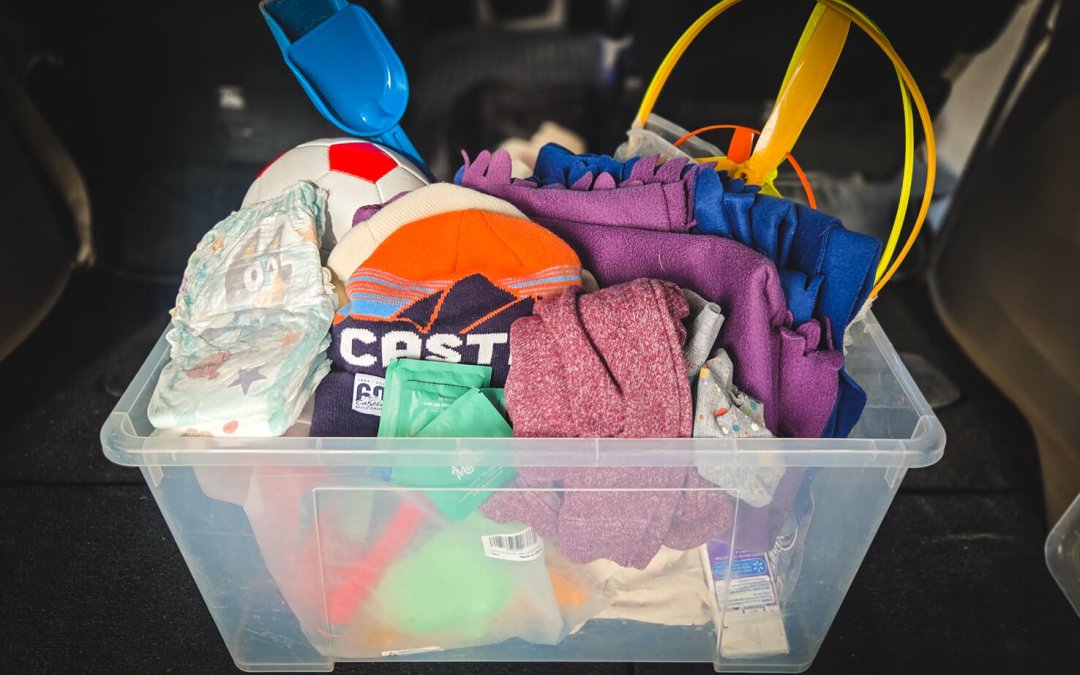
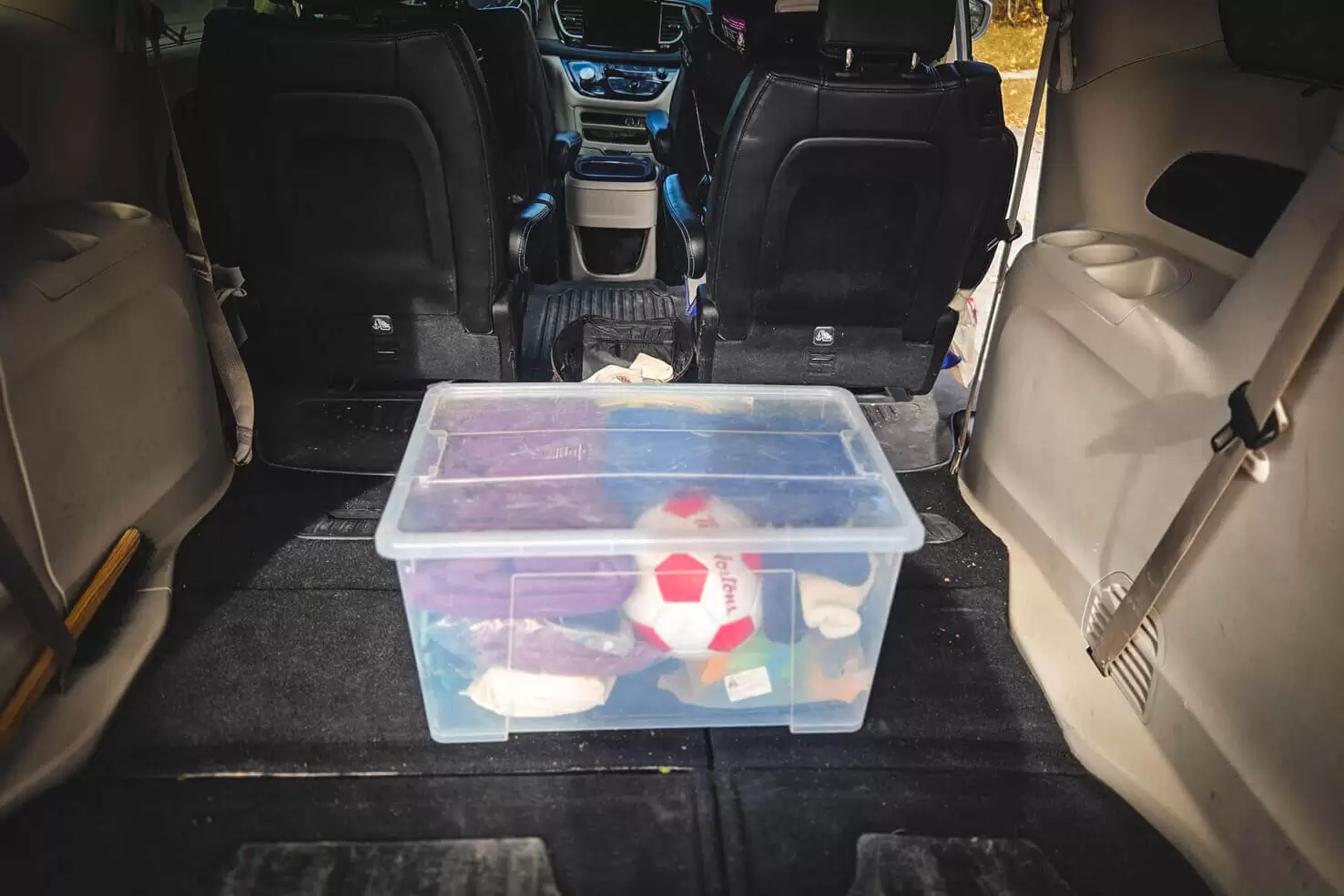
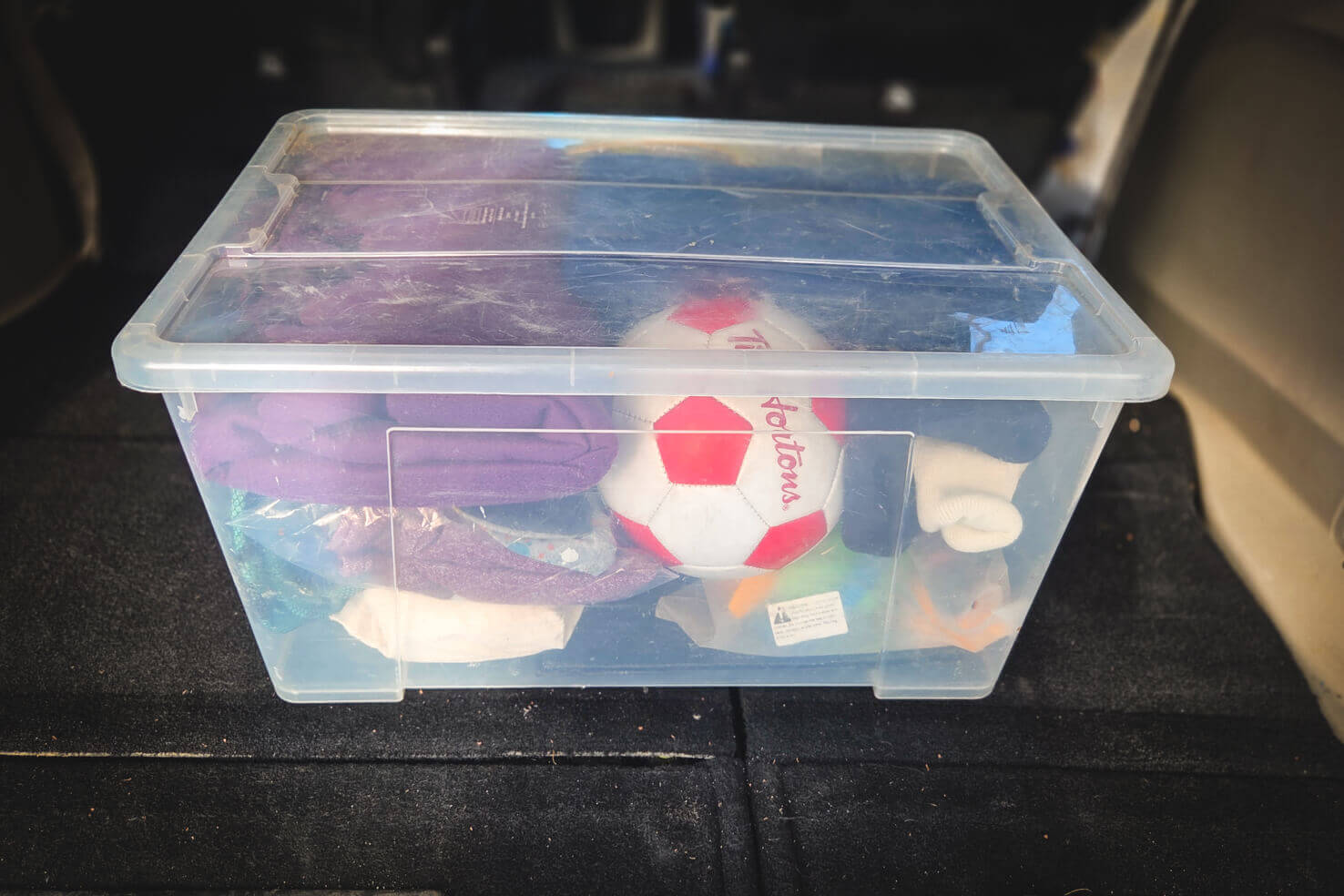
So I made a winter car kit for kids, or as we call it in our house, the winter adventure bin. One bin. It lives in the car all season, packed and ready.
Why you need a winter car kit (a.k.a. the winter adventure bin)
Winter with kids means more gear, more layers, and less margin for error. In summer, a kid in wet clothes is just a little annoying. In winter, it’s a hard stop. The outing is over, everyone’s miserable, and you’re cranking the heat in a parking lot.
Without a winter car kit, you have two options:
- Pack the entire house every time you leave. It’s exhausting, and you’ll still forget something.
- Say no to the spontaneous stuff, like the hill with perfect sledding snow, the frozen pond, or the park where you’re the only family there.
I don’t like that either. I want to say yes.
The winter adventure bin lets me say yes. We see a hill, we stop. We find fresh snow, we play. Somebody falls in a puddle, we handle it, and the day goes on.
This isn’t about being a perfectly organized parent (I can’t comment on that). It’s about having one less thing to remember and plan.
Some links in this post are affiliate links, which means I receive a small commission if you purchase through them, at no extra cost to you. Thank you for supporting the blog!
What goes in a winter adventure bin?
The bin holds kid stuff, not car stuff. Breakdown gear is a different post (and a different bin). My winter car kit for kids covers four things:
- Staying warm and dry
- Playing in the snow
- Eating
- Going to the bathroom (and everything in between)
I keep it all in one big bin, with zipper bags inside so things stay sorted and I don’t have to dig through a pile of mittens at -20C. Your family might need different things, so adjust. If your winter is mostly cold rain, add extra dry layers. If -30C is normal, add extra warm ones.
Pack for your kids, your climate, and your car.
Where to store your winter car kit
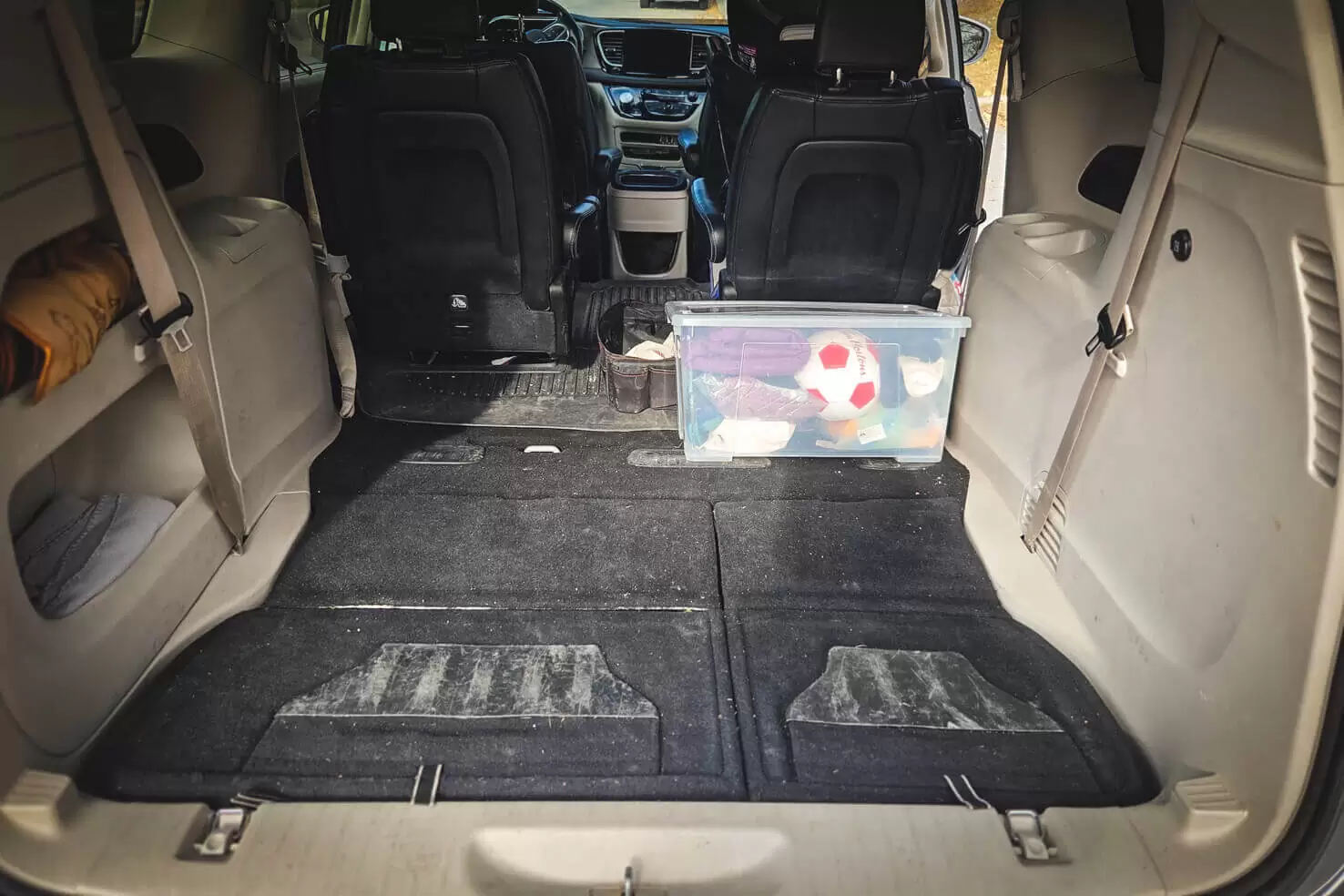
In the car, all winter, even when it’s -20C.
Yes, the winter adventure bin takes up trunk space. Pick the size that fits your car and your sanity. If space is tight, a large duffel bag with zipper pouches works too.
One catch: everything in the bin has to survive freezing. That affects what you pack, especially food. More on that below.
Warm & Dry
This is the most important section of the winter adventure bin. It’s what saves the day when someone’s wet to the bone twenty minutes into the best snow day of the season.
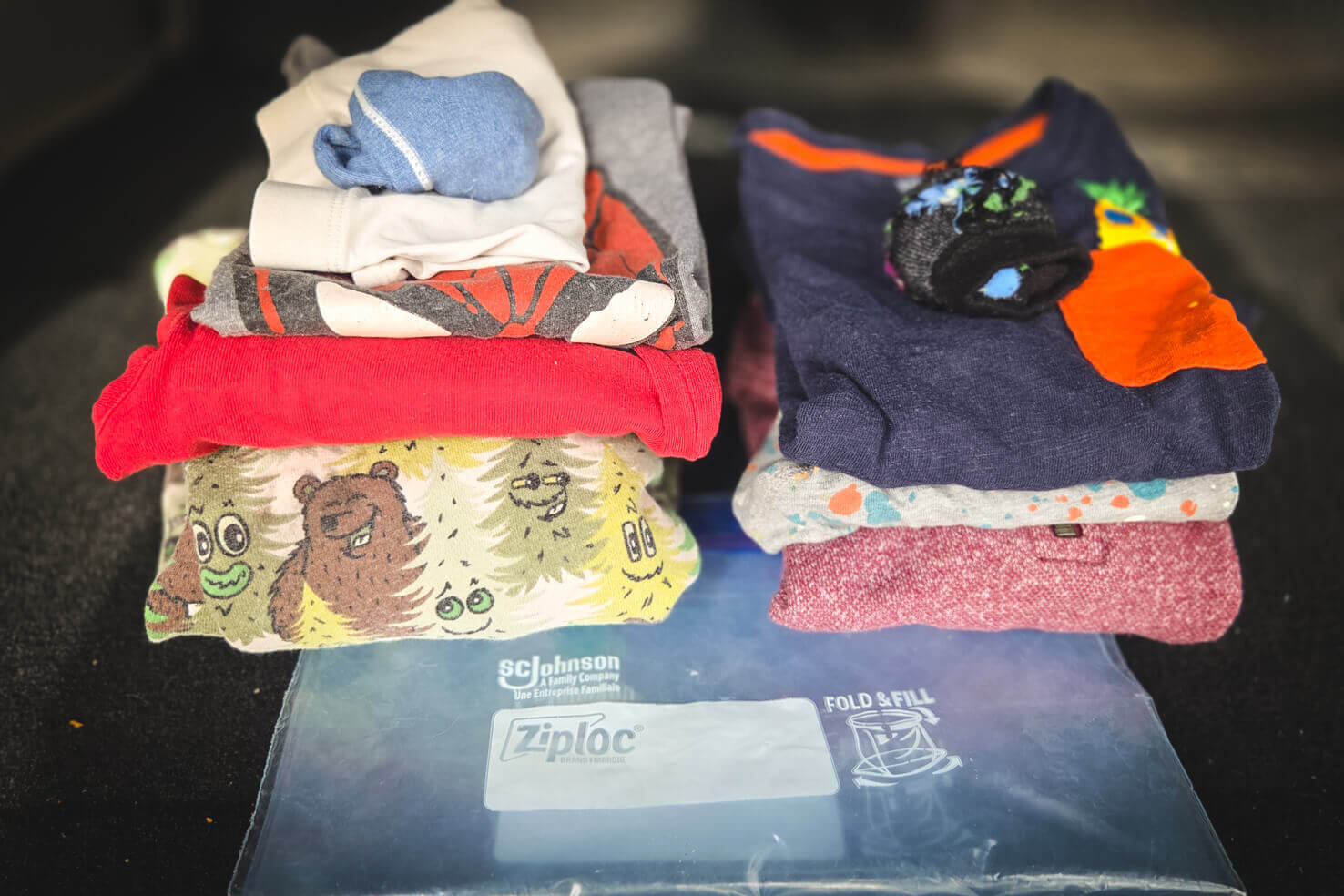
A complete change of clothes for each child
Underwear, socks, pants, a base layer, and a sweater or fleece. I mean the whole thing. Partial outfits are a trap, because a kid with dry pants but wet socks is still a miserable kid.
Roll each outfit and keep it in its own zipper bag, one per kid. Swap the sizes as they grow.
Spare winter hats
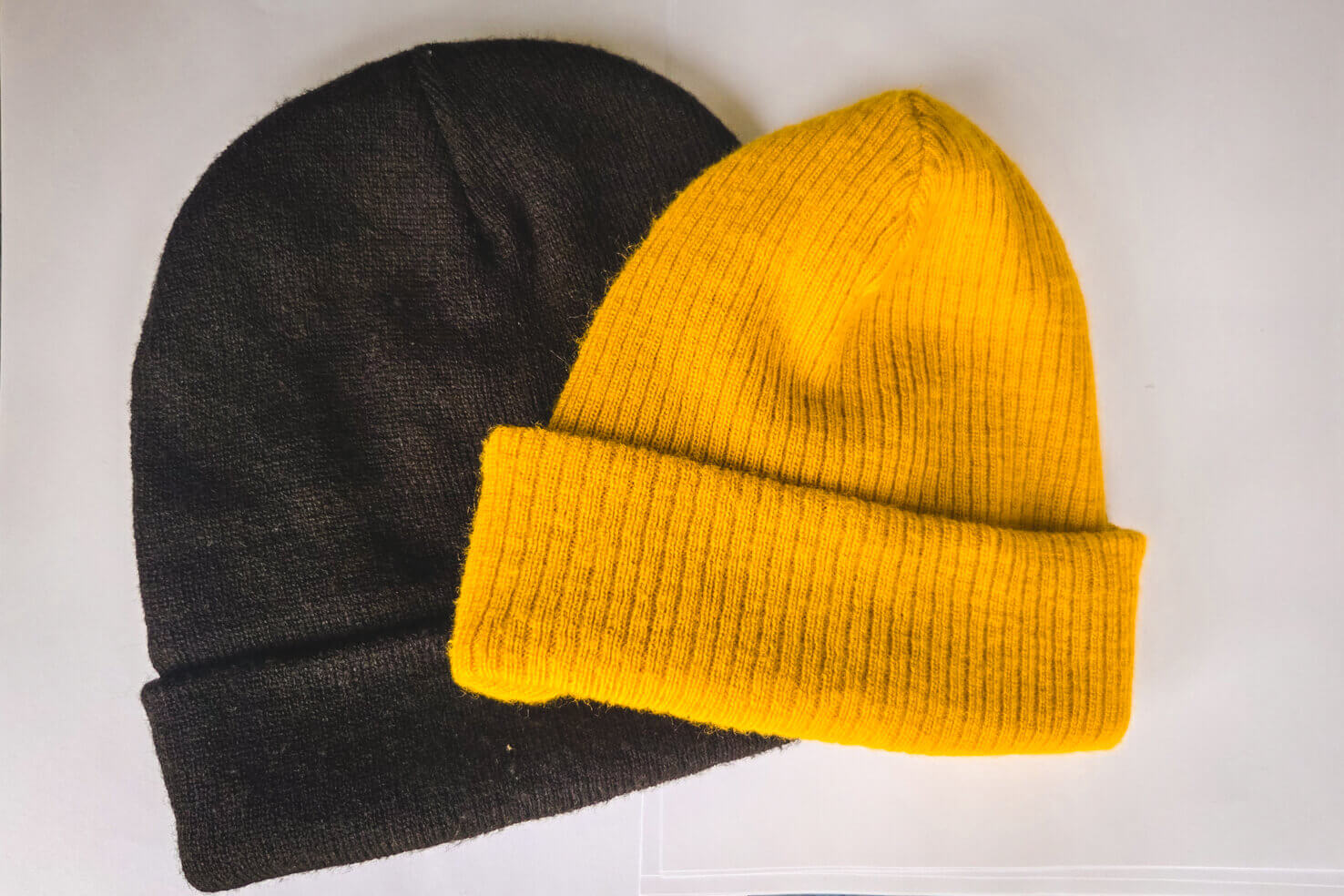
I keep a spare winter hat for each child. Hats vanish all the time, usually the moment you need them.
Wool socks
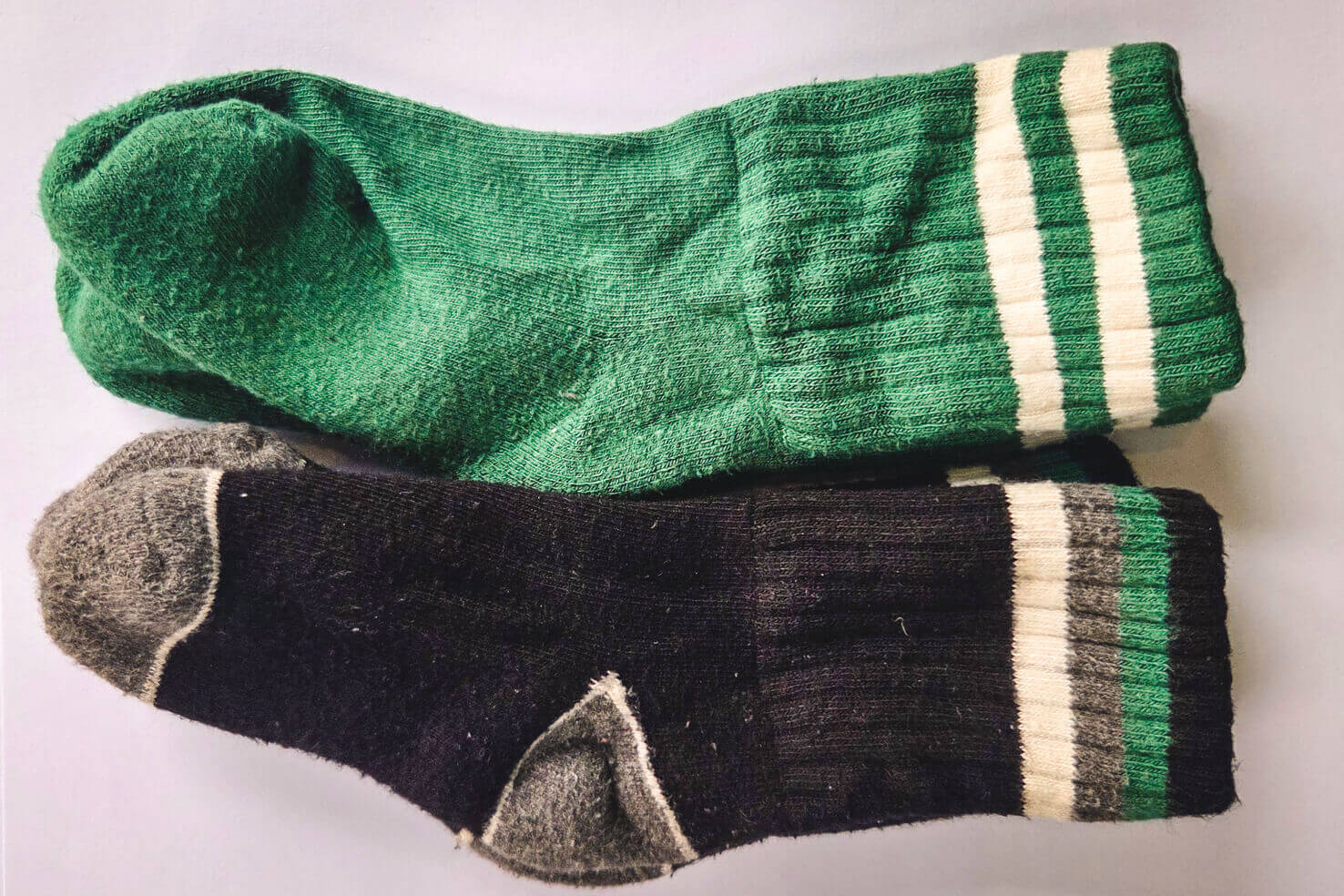
Wool socks matter. Cotton gets damp and cold; wool keeps its warmth when wet. Or use cotton along with the trick I talk about in the “Plastic bags” section below.

Extra buffs
Buffs are my favourite thing in the bin because one piece does three jobs. It’s a hat, a bandana, or a neck warmer, depending on what the moment needs. They’re lightweight, take up no space, and usually fit all kids and even adults.
Kid-sized gloves
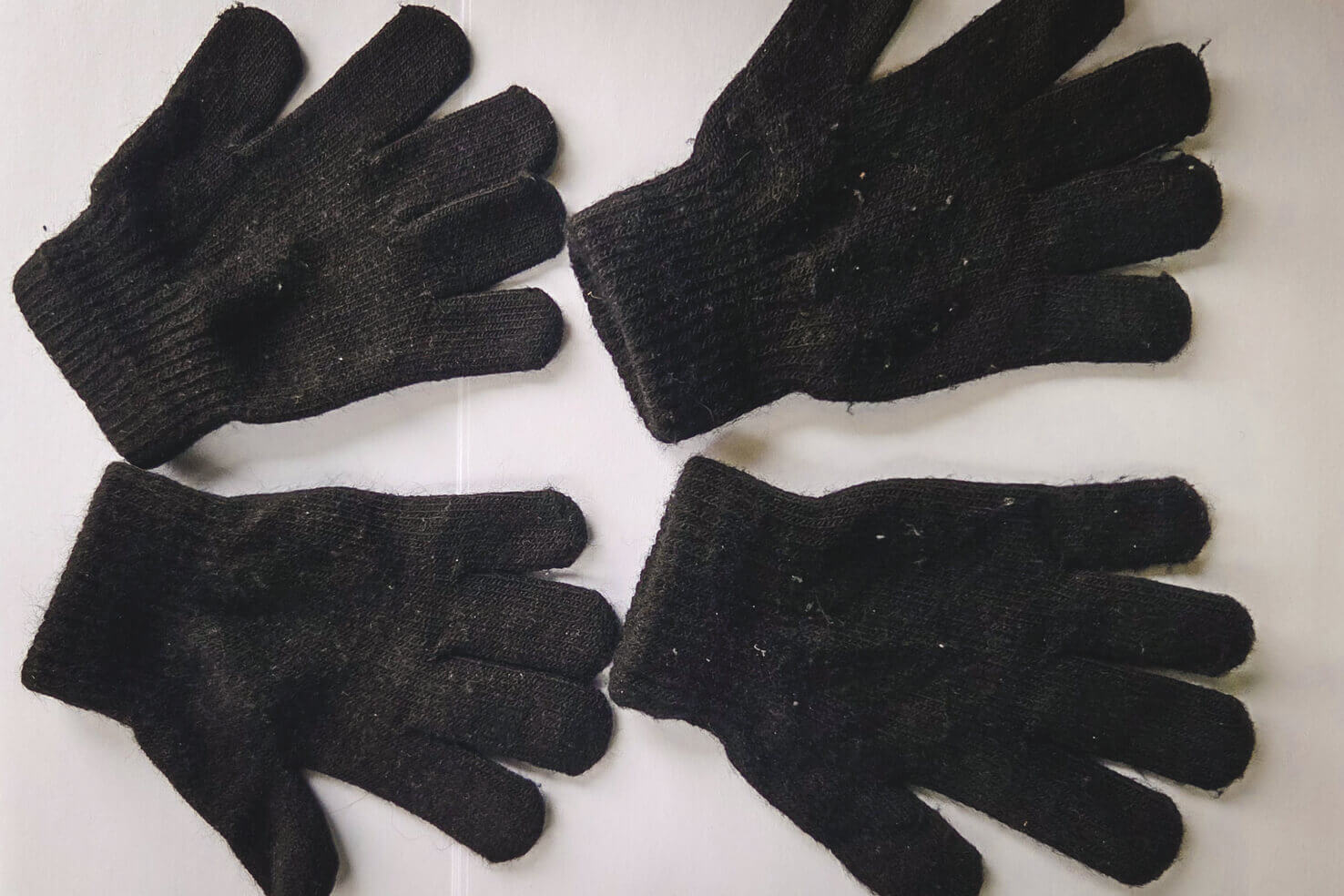
Mittens are warm, but you can’t build anything in them. And we can never have enough gloves. Keep a few extra pairs of kid-sized gloves in the winter adventure bin for snow play. I buy these in bulk to last us awhile.
Warm blankets
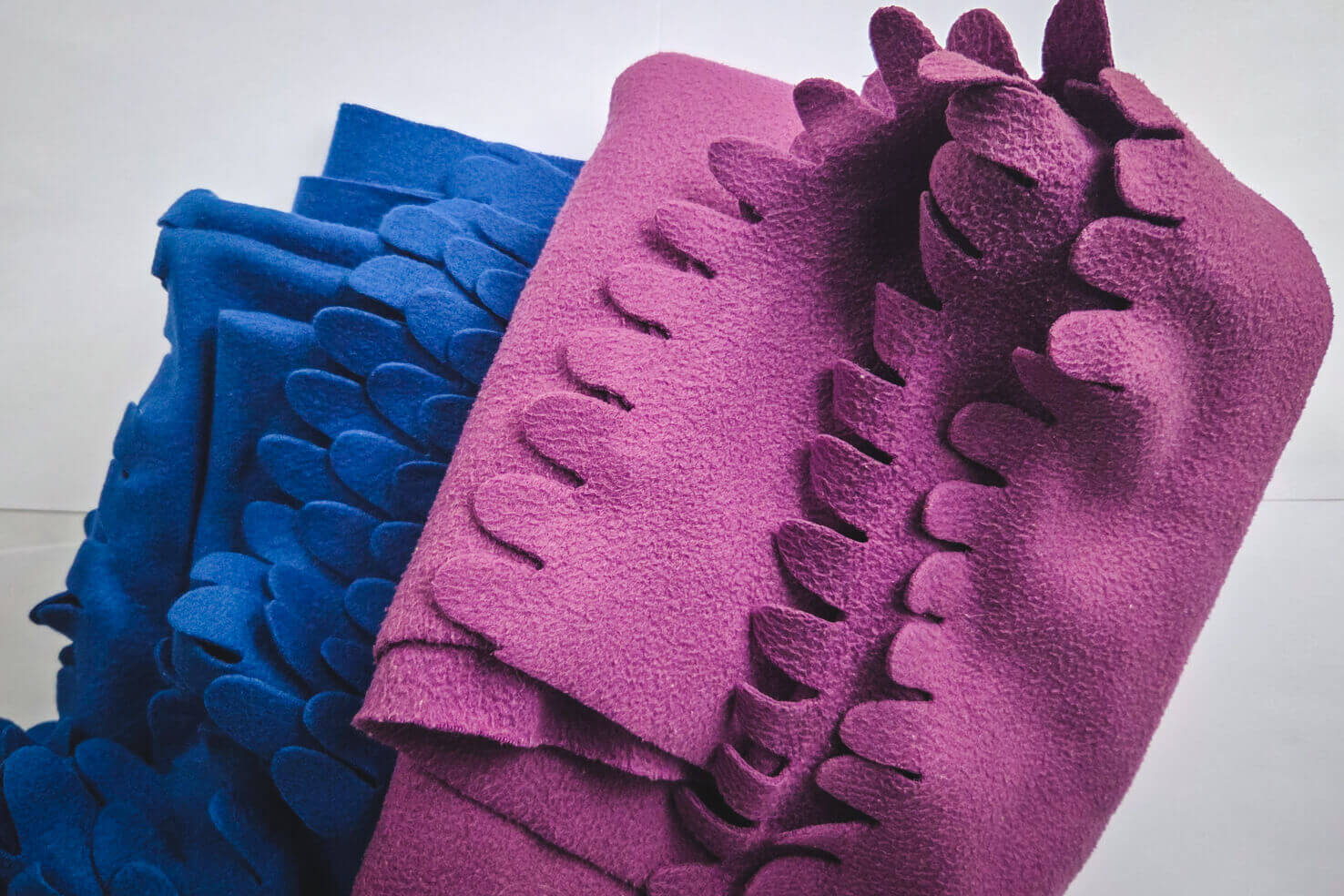
A couple of warm blankets (fleece or wool, nothing precious). They’re good for wrapping a cold kid after the outing or covering legs in the car. They also work as a picnic mat for a “winter picnic,” which is a thing I now do.
Hand and foot warmers
Warmers are the item I’d put in the bin first, because cold hands are the number one reason kids quit playing outside.
We use Aurora Heat reusable hand and foot warmers because they’re sustainable, they last for years, and they work. My son wore a kid hand warmer on just one hand, and when I checked, that hand was noticeably warmer. Indigenous artisans hand-make them from beaver fur. Since there’s nothing to shake or activate, they’re ready the second you grab them, and they don’t freeze or die in a cold car.
If you want the cheaper, simpler option, the single-use packets work too. Just know they can get too hot and then fade fast, which isn’t great for little hands. And at about $2 a packet, you can burn through $50 a winter without noticing. Also, I’m not sure how they keep in the car during very cold nights.
(You can save 10% with the code TRAVELWITHTHESMILE at Aurora Heat.)

Plastic bags
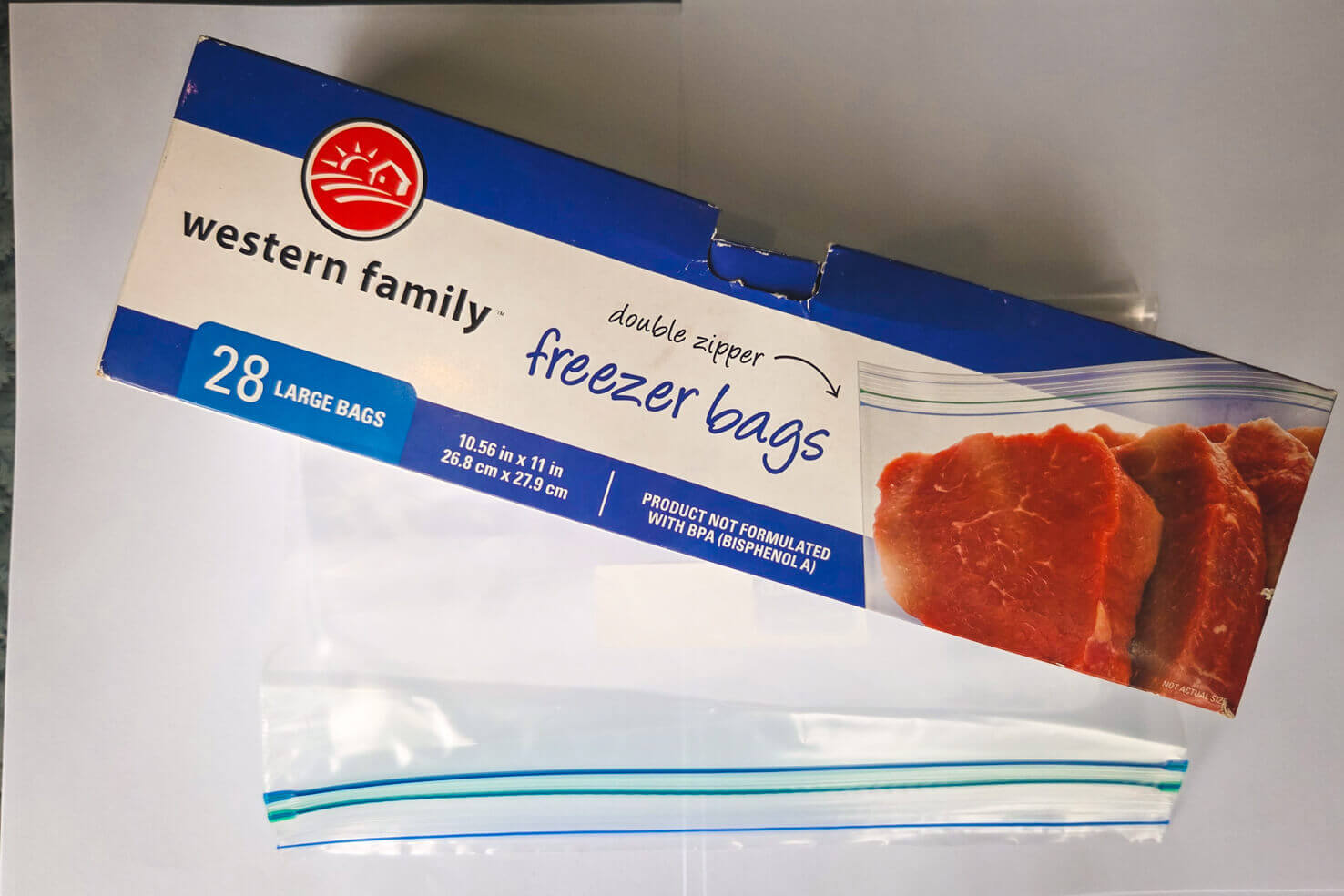
Two jobs here. First, a big bag or wet bag for soaked clothes, gloves and hats. Second, smaller plastic bags for emergencies: if a kid’s socks are soaked and there’s nothing dry left, put a plastic bag over the wet sock inside the boot.
Snow Play
This is the “yes” section. Having it means we never skip the fun because I didn’t bring anything to do. This list largely depends on your kids, but I’ll share our staples.
Shovels
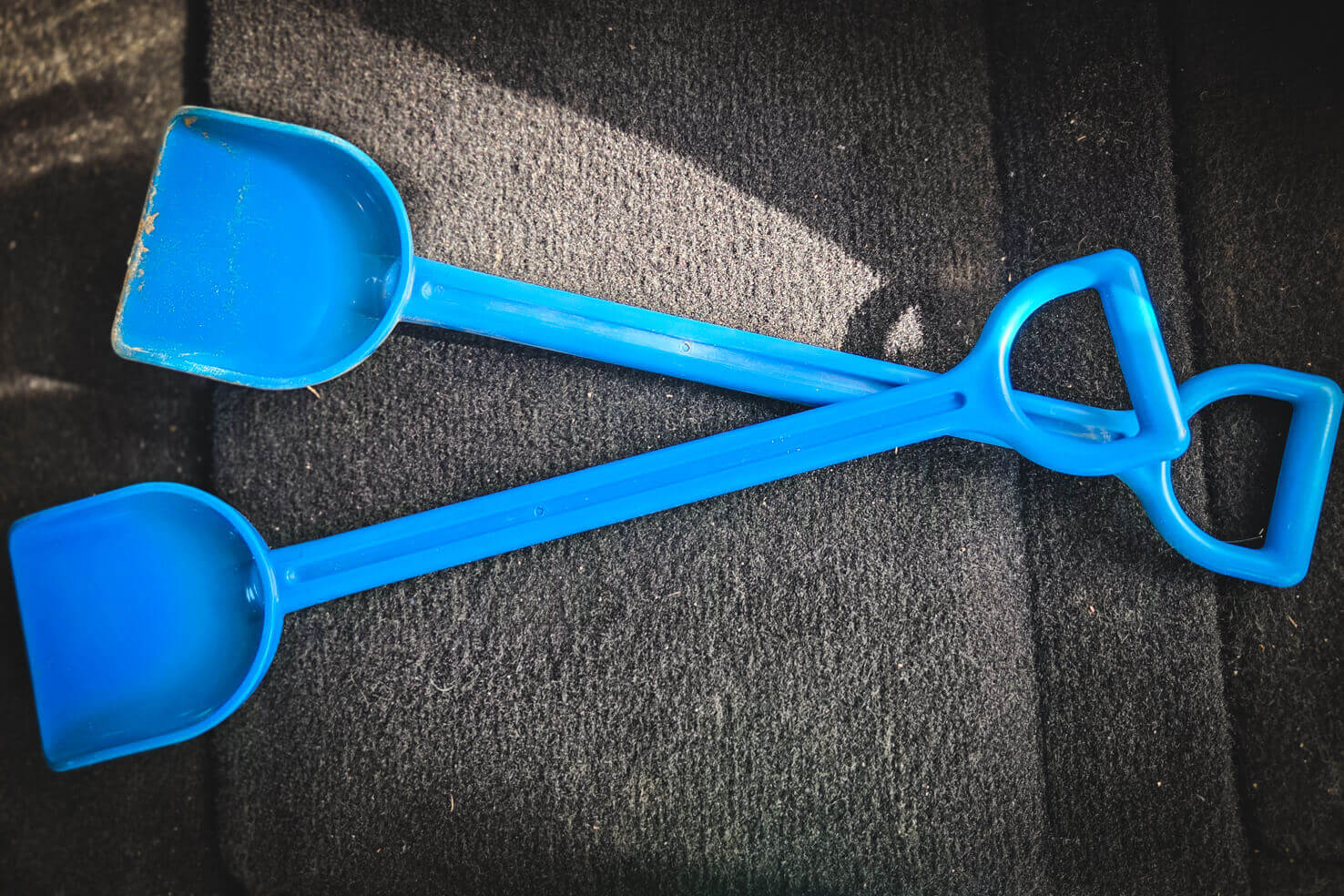
An all-season staple. In summer, they dig sand. In winter, they dig snow forts, tunnels, and what my son calls “snow shop.” Pack one per kid, plus one spare for the friend who always shows up with nothing. By far the sturdiest shovels that don’t break easily are from IKEA.
Collapsible plastic buckets
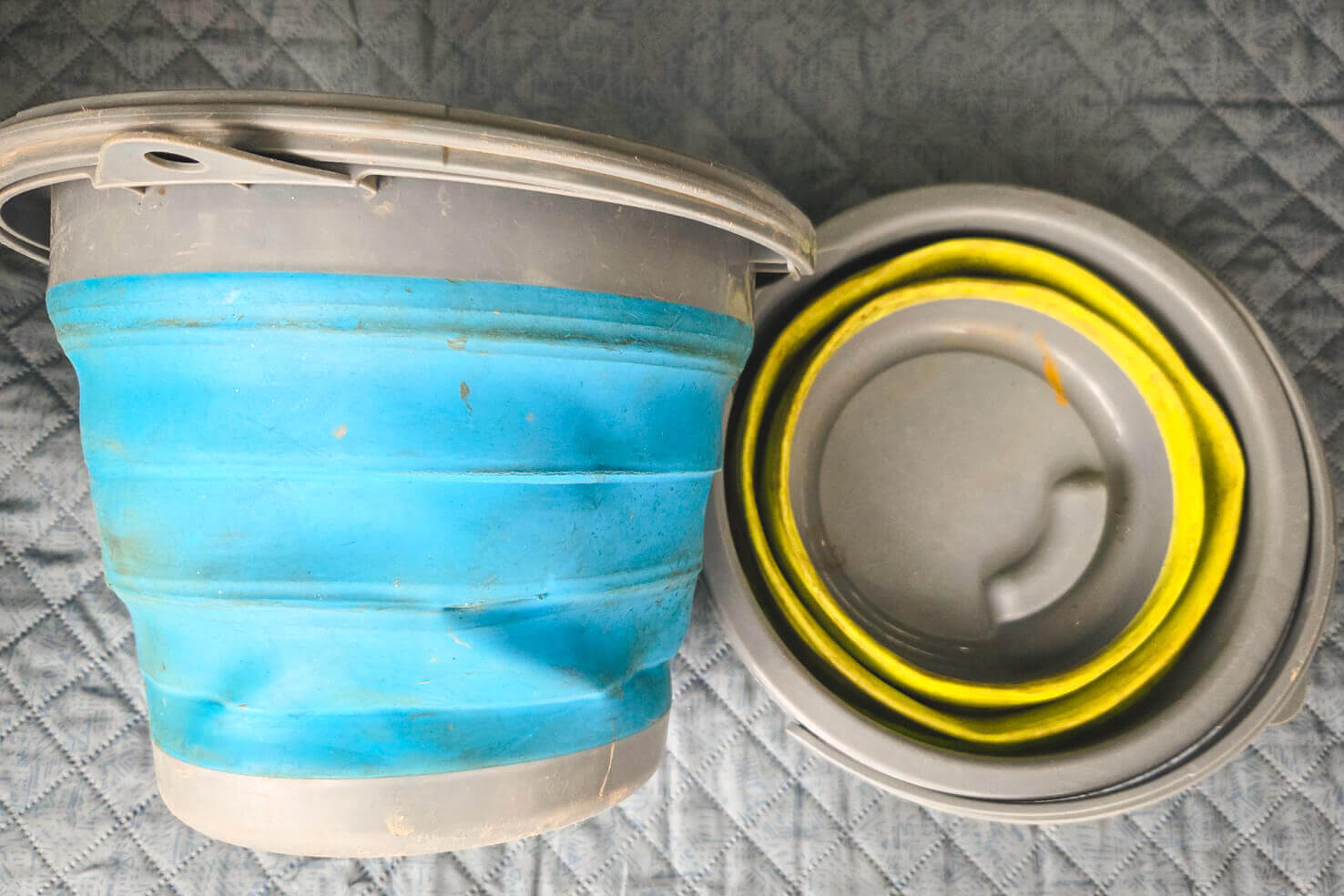
Good for carrying snow, building snow towers, and they don’t take much space. They also hold the wet gloves on the ride home. There’s no difference between sand buckets and snow buckets; just reuse your summer toys.
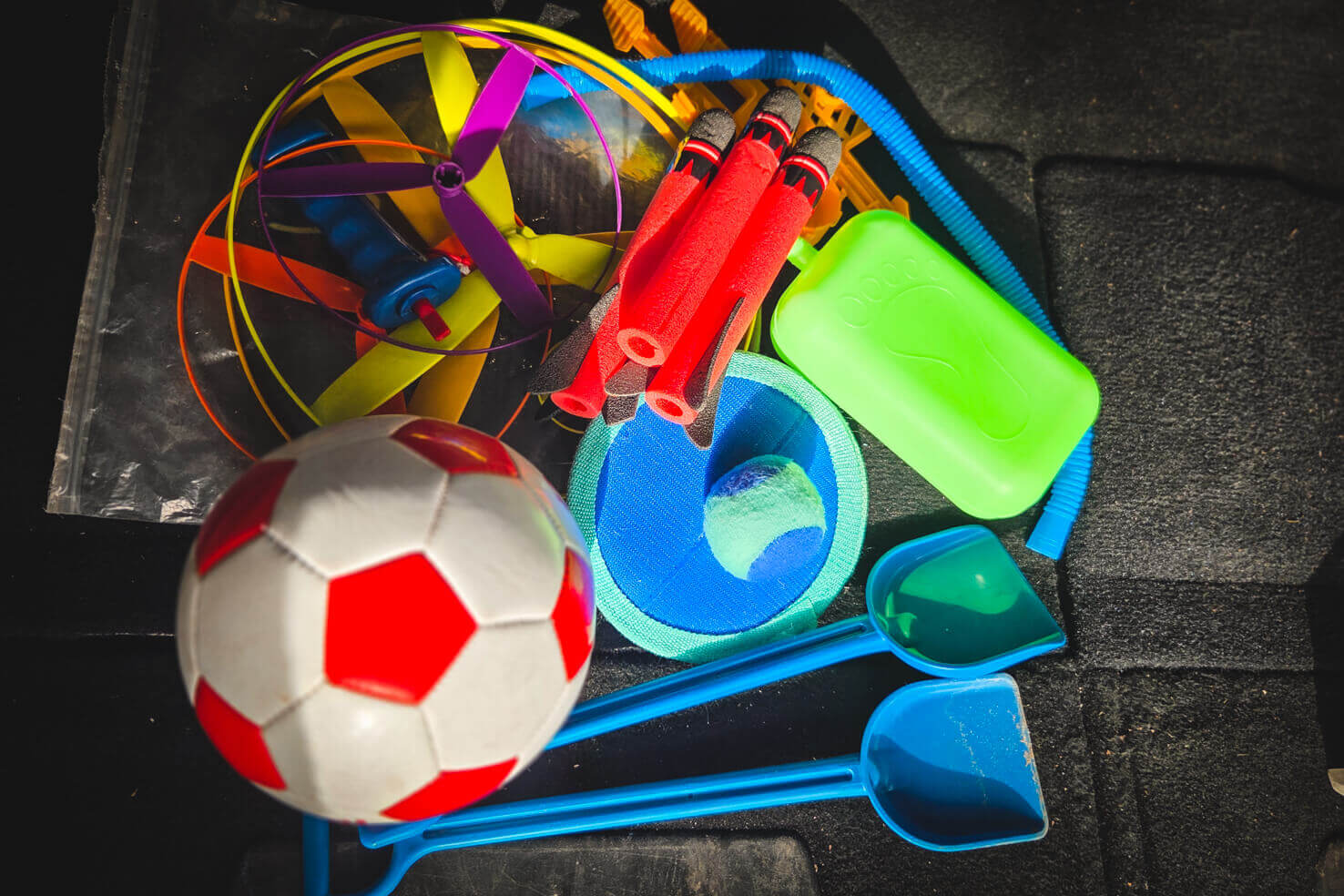
Outdoor games
My criteria are small, durable, and fun in the cold:
- Football or any sports ball. Works in every season, and the European in me will always call it football (although my kids are starting to call it a soccer ball, ugh).
- Rocket launcher. Anything that can fly high and you have a chance of catching it afterward seems to be our go-to.
- Toss and catch ball set. Easy toy for kids of all ages.
- Sled. If you only add one big item, make it this. A hill without a sled is just a sad hill. It works for sledding or hauling your ski equipment into the lodge. The best sled I found for kids to use without me worrying they’ll hit someone is this sled (we own a few). And I’m not even talking about the comfiest seat that doesn’t throw you in the air on every little bump.
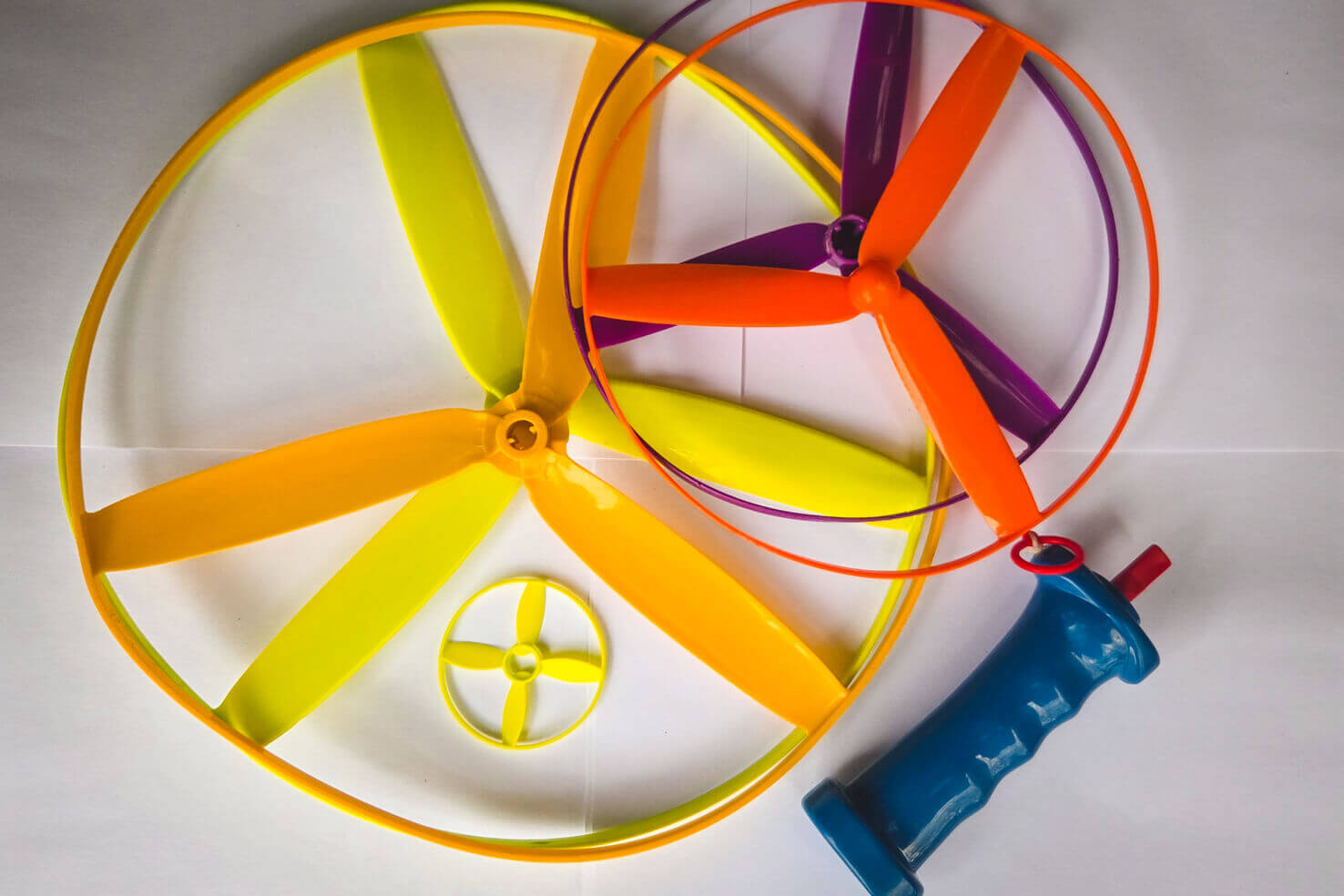
Flying discs
Easy to throw, easy to pack, doesn’t freeze and my son has been obsessed with it for years.
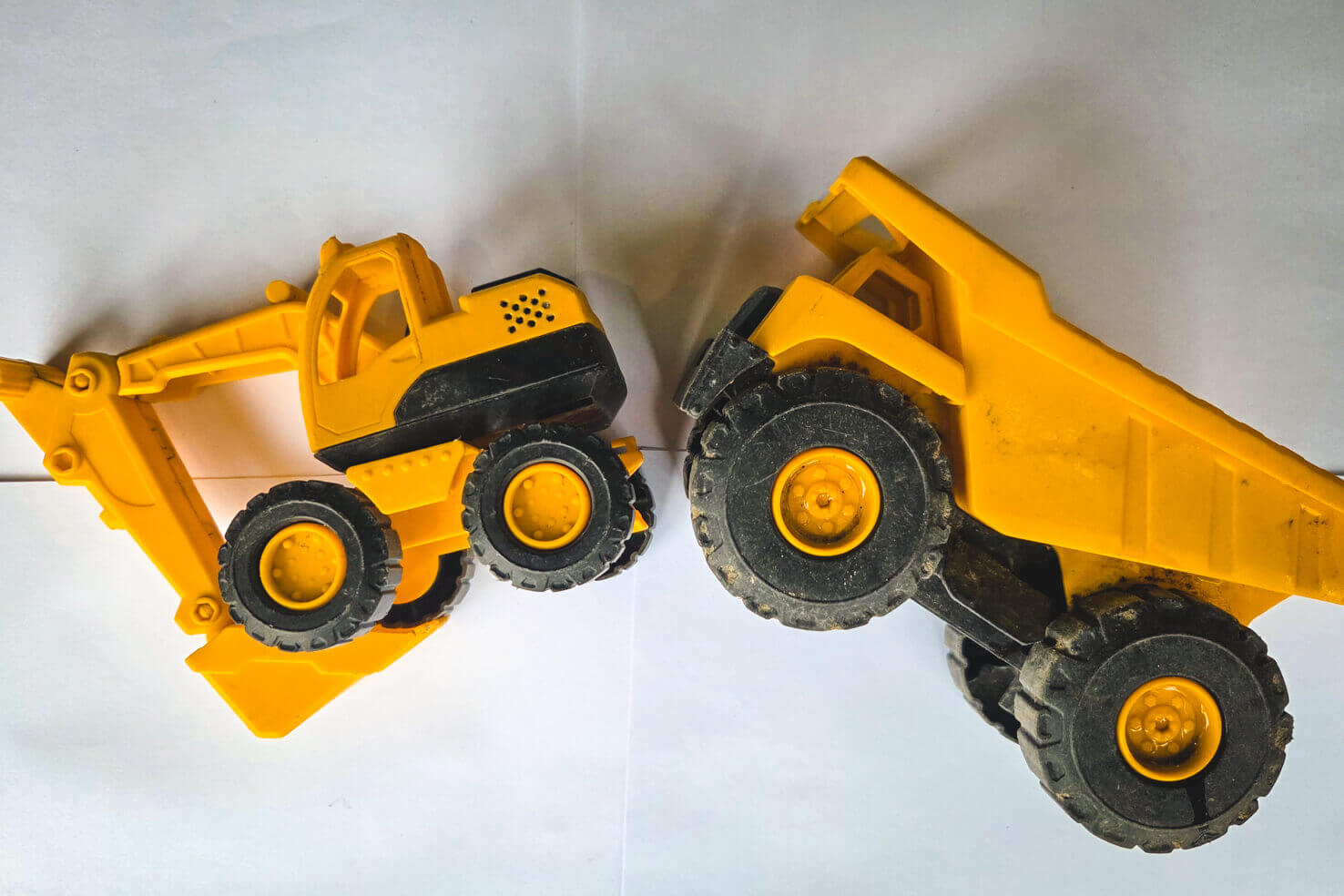
Little toy cars & diggers
If you have boys, you know. I’ve been told the girls like these as well.
Glow sticks
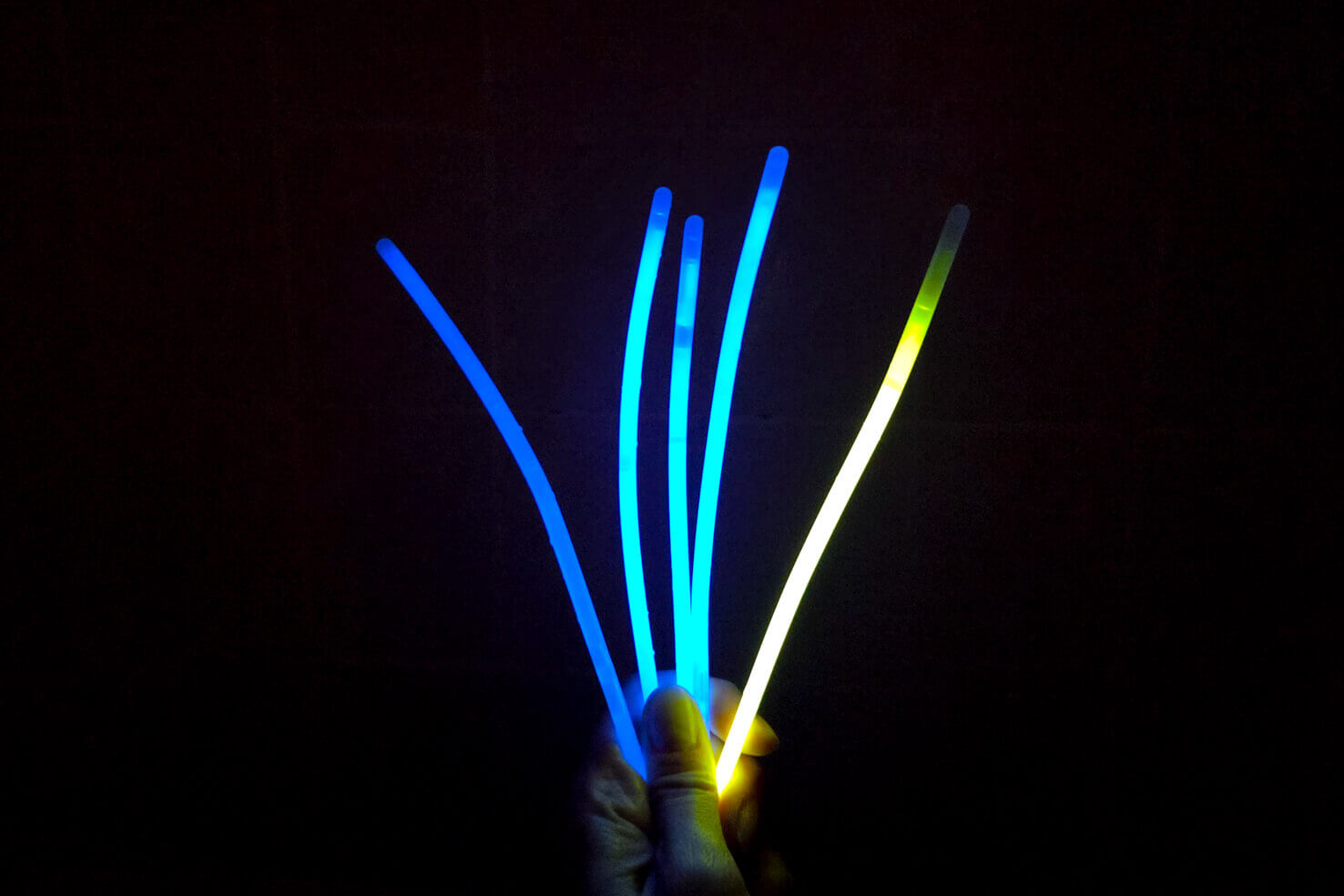
It gets dark at 4:30 here, so a lot of our winter adventures end with a dark drive home. A small pack of glow sticks is one of the cheapest, lightest things in the bin, and kids lose their minds over them.
I keep a few in a zipper bag. When the sun disappears, the kids get to crack one open in the back seat. Suddenly the drive home is quieter. They also make bracelets and necklaces, which helps you spot your kid in a dark parking lot after sledding.
Glow sticks do work in the cold, but they glow dimmer. Warm them in your hand or coat pocket for a minute before you snap them, and you’ll get a much better glow.
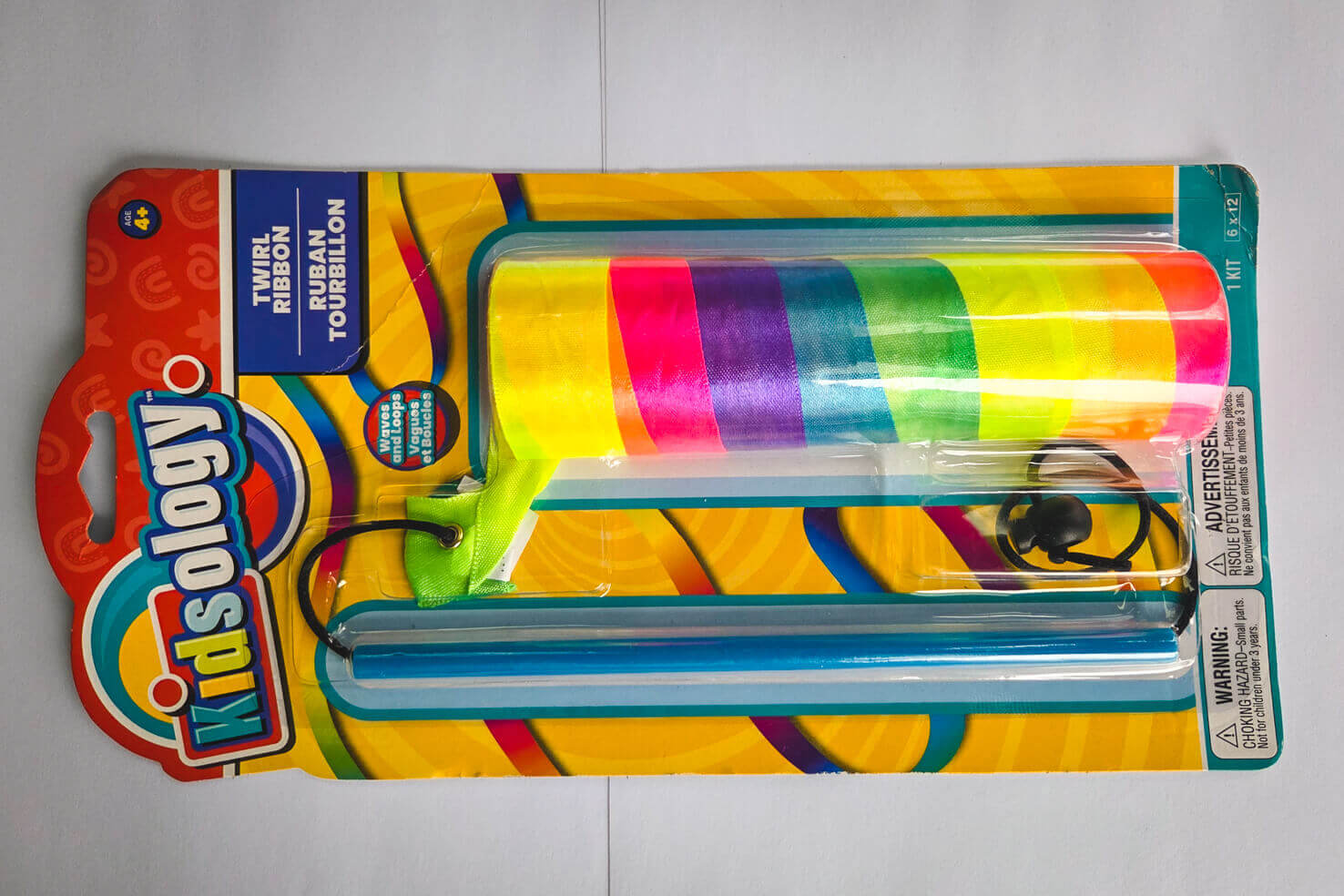
Secret toy
This is a random toy. It works well inside and outside, and I keep it out of sight in case of a meltdown emergency. Sometimes a novelty of a small random toy helps calm their nervous system.
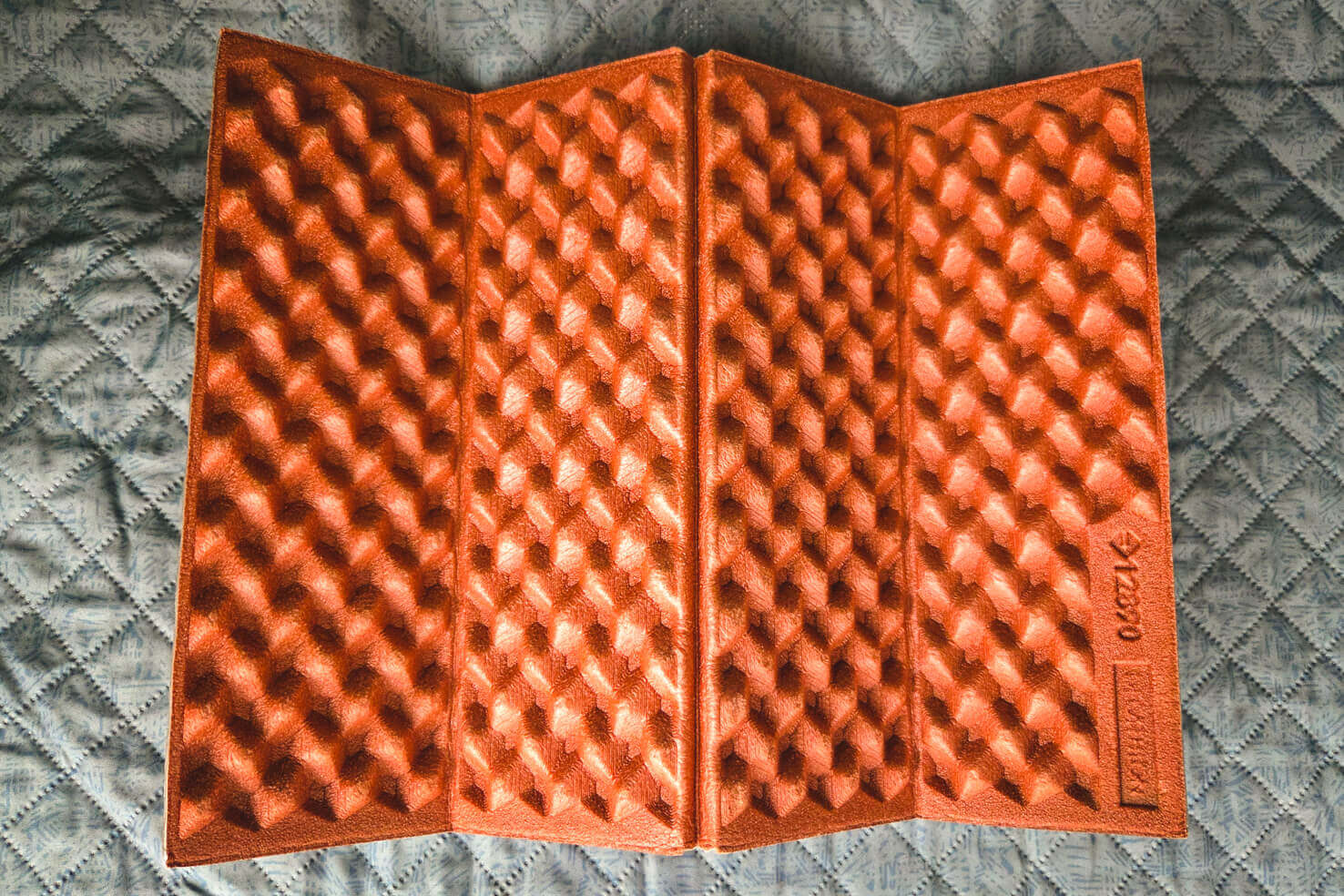
Foam seat pad
I used to forget this one every single time, so now it lives in the car. We use it for snack breaks on cold benches, and for changing from boots to skates or ski boots. It keeps kids off freezing, wet surfaces, and you’ll be surprised how often you reach for it.
Snacks
Snacks in a winter adventure bin must handle -20C, so avoid anything with water, pouches, or soft texture. What works:
- Freeze-dried fruit. Apples, strawberries, and mangoes. They’re light, crunchy, and don’t care about the cold. My top pick by far. We buy them at Dollarama.
- Granola bars or bites. They get a little hard, but kids don’t care. Hold one in your hand for a minute. I’m a big fan of the chocolate bits – parents deserve snacks, too.
- Popcorn and rice cakes.
- Jerky or meat sticks, but you need to warm these in your pockets or hands to soften.
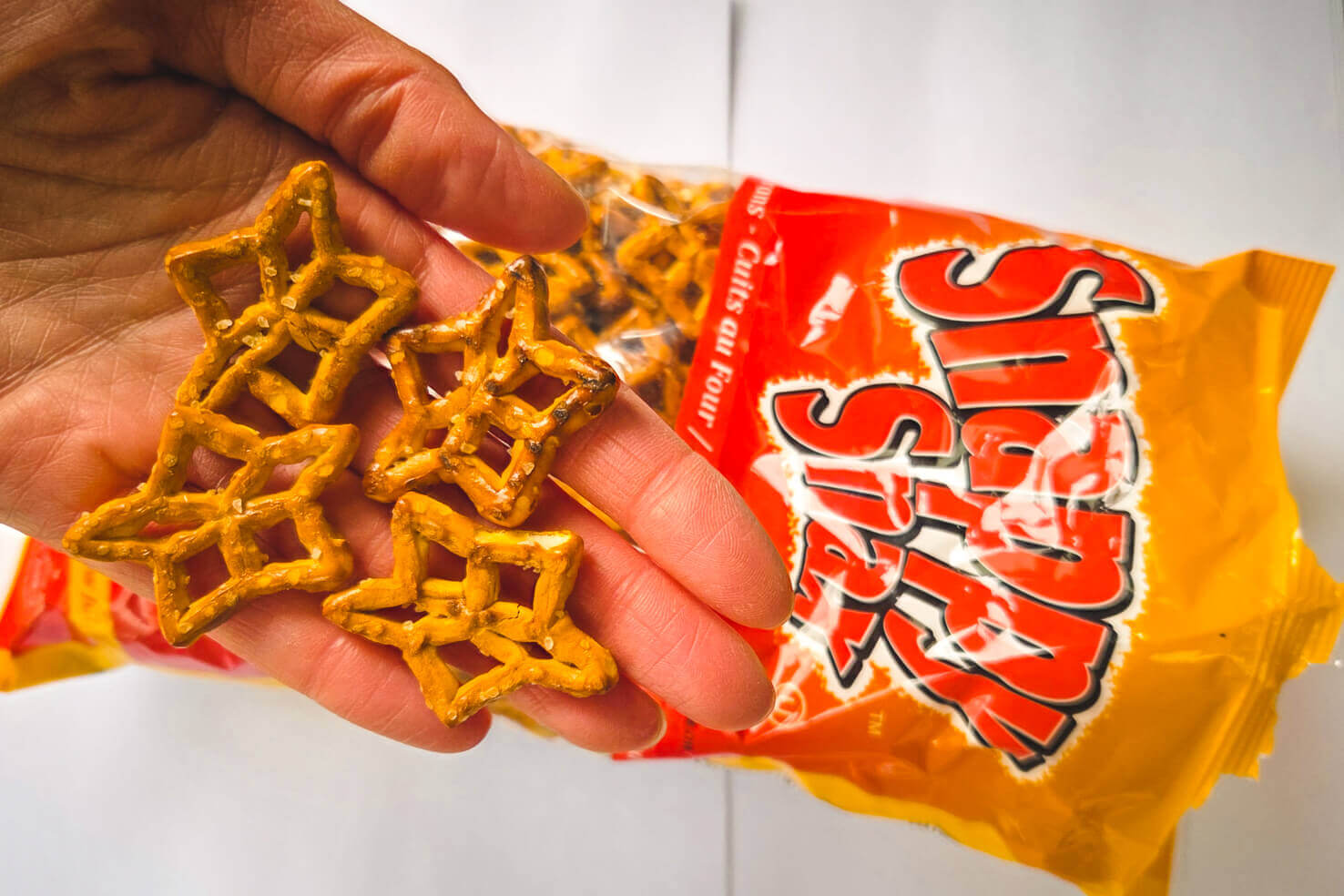
Star-shaped pretzels (or crackers)
Because pretzels can be fun. Basically indestructible.
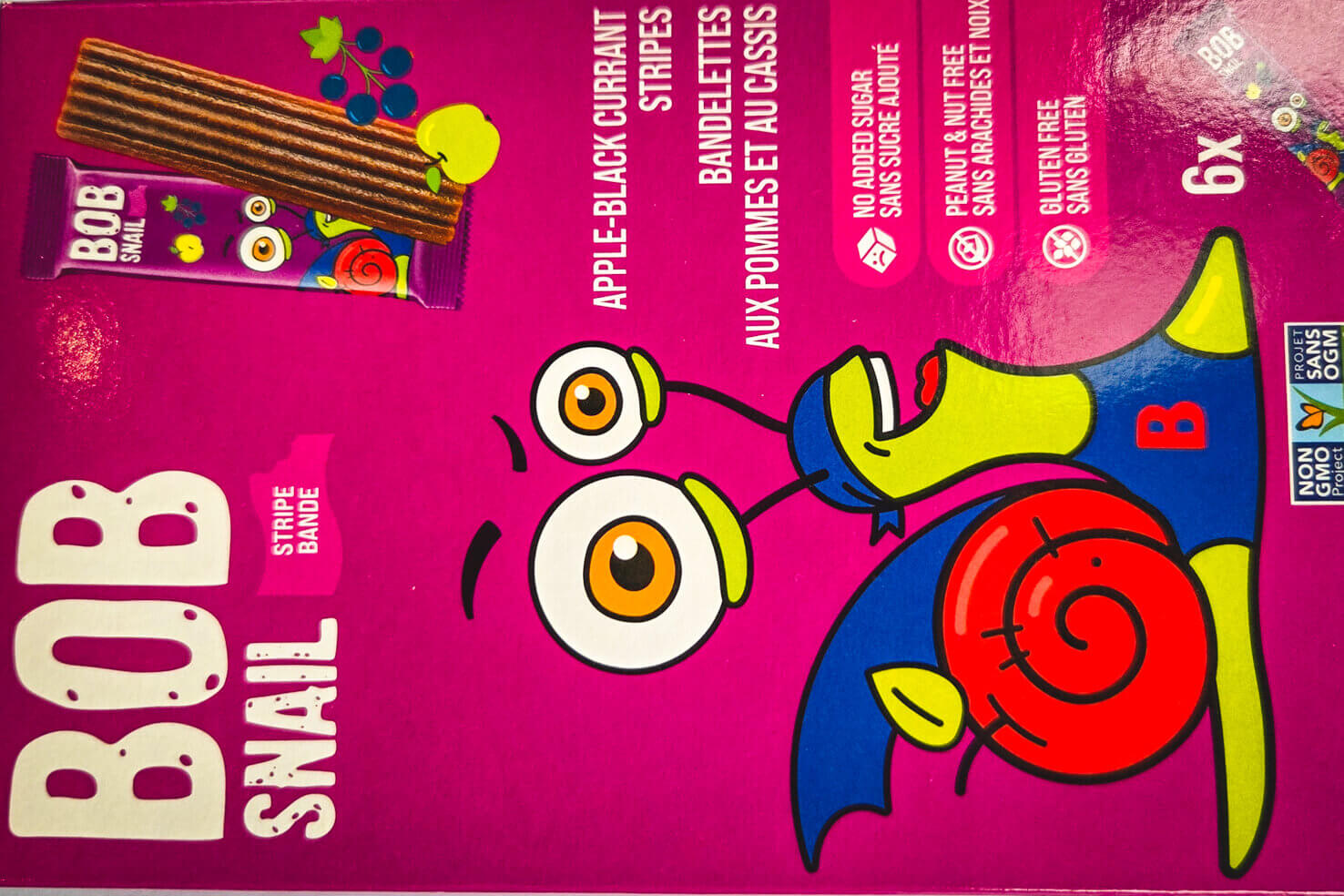
Fruit leather stripes
We also buy the roll-ups, but strips are easier to eat in winter.
What doesn’t work: squeeze pouches (they burst), yogurt, cheese, anything with a high-water content, and water bottles. Those freeze and crack.
Snack choices depend on allergies and preferences. Mine is a mix of “kid-approved” and “I-won’t-cry-if-it-gets-crushed.”
Potty
I know. But this is the section I’d miss most.
Pull-ups and diapers
If you have a little one, keep spare pull-ups or diapers in the bin. Winter outings are long and unpredictable, and nobody wants a mid-snow-fort diaper crisis with none left.
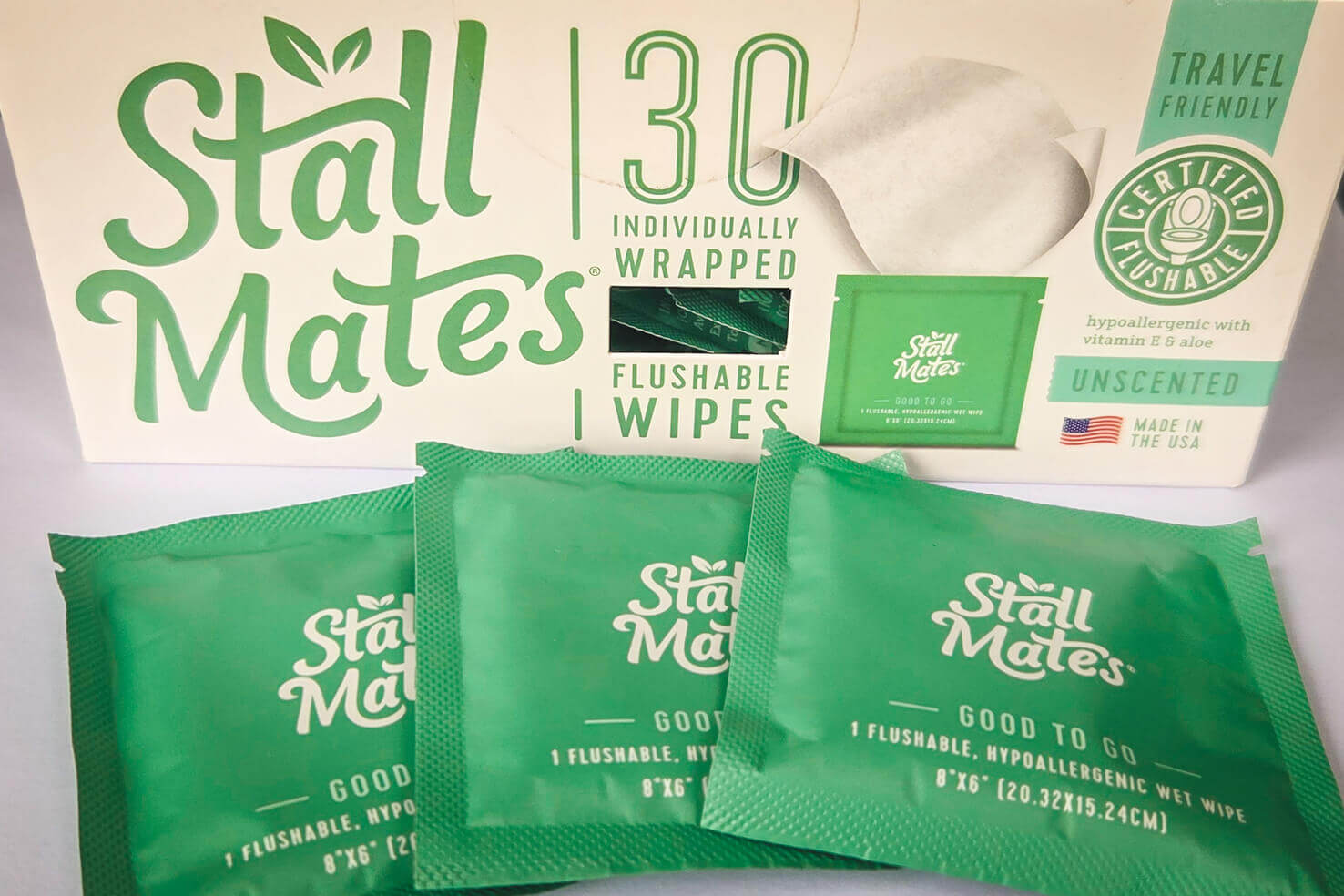
Wet wipes
A car-bin classic. While the typical wet wipes you use at home would easily freeze, leaving you with nothing else but a big frozen chunk of wipes, you can get individually wrapped wipes. They never failed me.
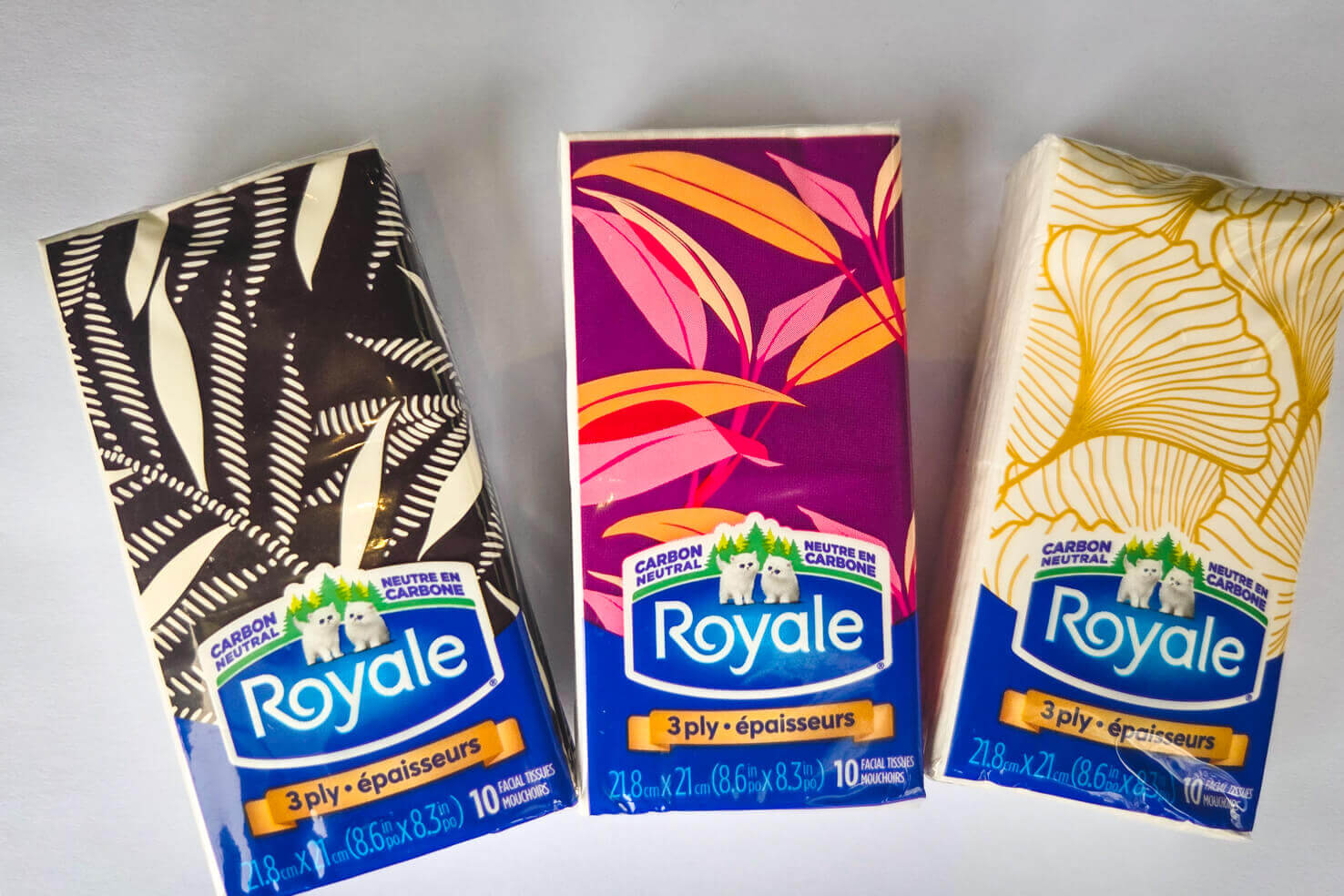
Tissues
Cold weather means runny noses. Tissues also help with wet faces, sticky hands and the occasional mystery spill. Pack a few small packs.
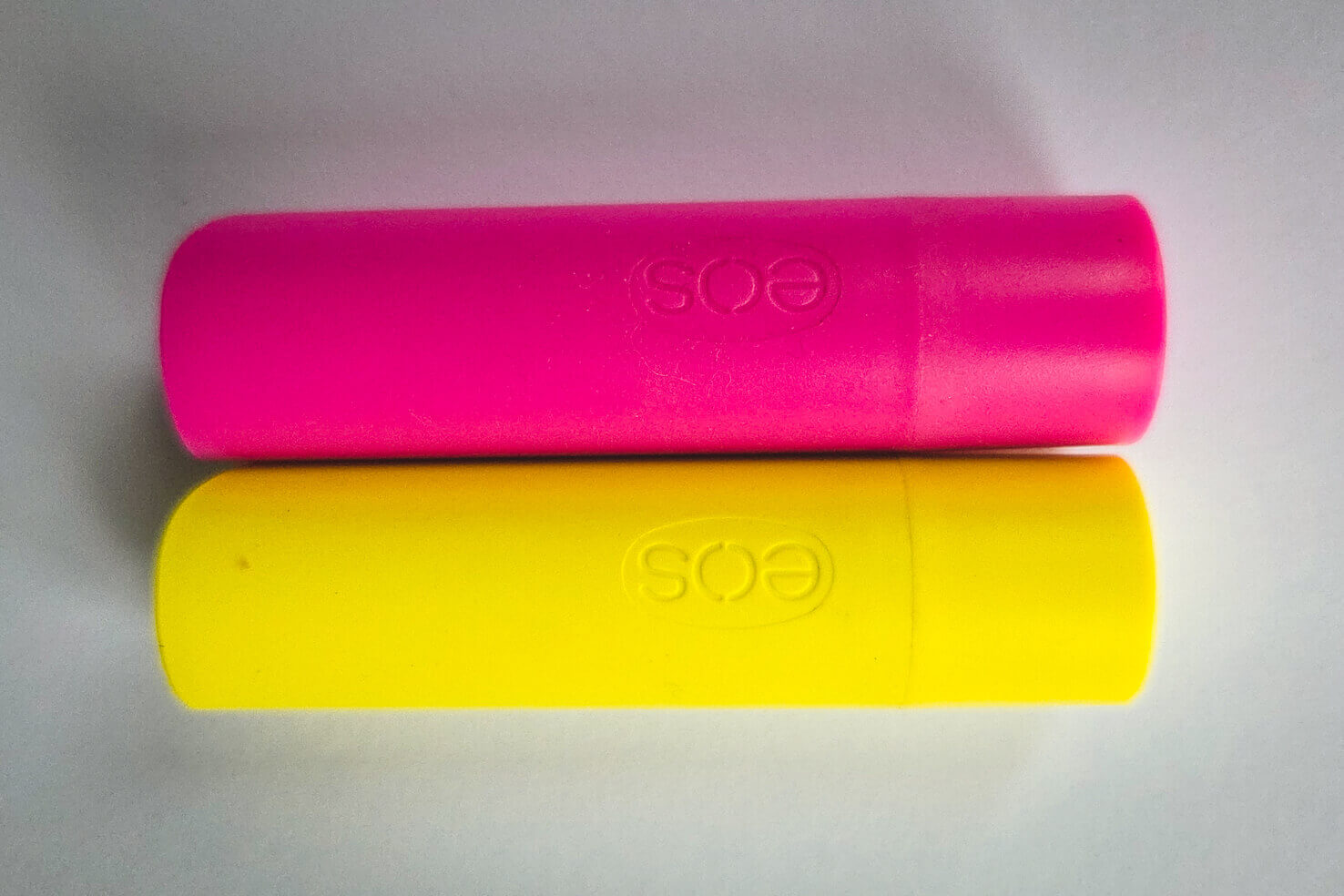
Kid-safe lip balm
Wind and cold make kids’ lips crack fast, and they won’t tell you until it hurts. A kid-safe lip balm is tiny and makes a big difference.
A travel potty or emergency bag
If your kid is potty training, you’ll thank yourself. A small foldable potty seat or a few disposable bags are rarely needed, but when they are, it’s a relief for everyone.
An extra layer for you
I want to be honest about this one. More than once, I packed everything for the kids and forgot my own jacket. I stood in a snowy parking lot looking very prepared and feeling very cold.
So now there’s a spare hoodie in the bin. A pair of spare gloves is a good idea too, since you’ll lose one of yours eventually.
The extra layer also helps when your kid is wet, and you give up your jacket. Which is a fine plan, as long as there’s a backup.
More ideas for your winter car kit
Your bin doesn’t have to match mine. Here are more ideas:
- A spare pair of boots or shoes for the kid who left the house in sneakers (it happens)
- Small first-aid supplies: a few bandages and wipes, nothing fancy
- Motion-sickness bags, because winter roads are twisty and snacks are plentiful
- Sticker books or small activity books for the ride home
- A small brush to clear snow off boots before they come in the car
- Chalk for dry pavement
- Snacks for you
Frequently asked questions
What about sunscreen?
Sunscreen can freeze or lose effectiveness in a cold car, so I keep it in my bag instead of the bin. Winter sun on snow is intense, so please don’t skip it.
Is a winter car kit same as an emergency kit?
No. A winter emergency kit is for car trouble: jumper cables, a shovel, a flashlight, flares. A winter car kit for kids, also known as the winter adventure bin, is for kid situations. You should have both, but they’re different kits.
How big should the bin be?
It depends on your car and your family. A large clear bin works well, and so does a duffel bag with zipper pouches. If space is tight, start with the Warm & Dry basics and build from there.
How often should I restock my winter car kit?
At the start of winter, once in the middle, and whenever you use something. I do a quick check every month or so. And remember to swap clothes when sizes change.
What about toddlers or babies?
Everything above works, but adjust the clothing sizes and add extras like pacifiers, a bib, or a warm sleep sack.
A winter adventure bin won’t stop the snowstorm, the wet pants, or the meltdown over the wrong colour mitten. But it does mean you’re ready for them.
Pack your winter adventure bin once, leave it in the car, and say yes to the next snow day.
What’s in your winter adventure bin? Tell me in the comments. I’m always looking for ideas.